
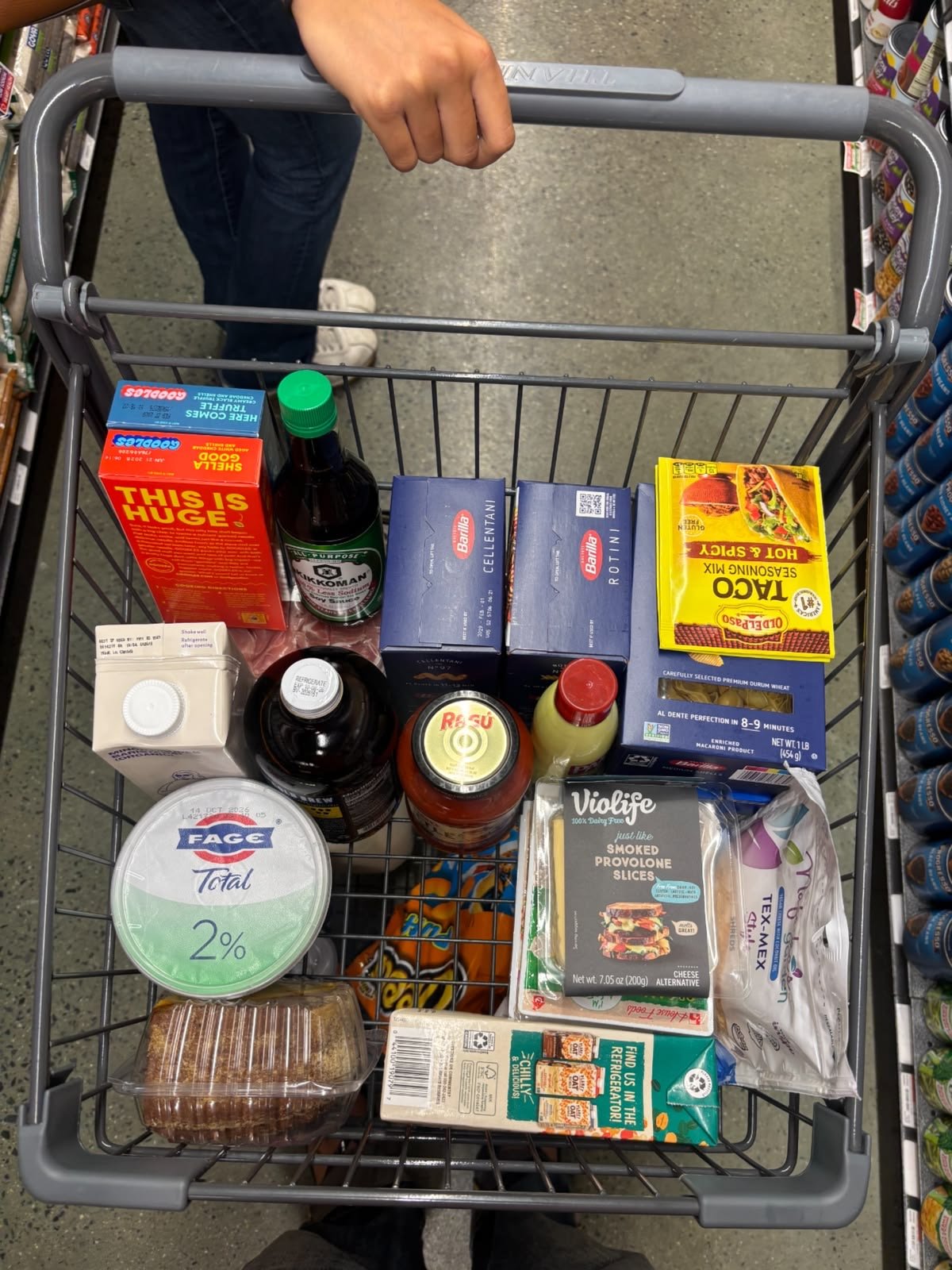
What Does Food Access Actually Mean?
Having food nearby does not always mean it is realistically accessible. Transportation, affordability, store availability, time, and household circumstances can all shape what food access looks like in everyday life.
When we hear the words food access, it may sound straightforward: Is there food available?
In everyday life, the answer can be much more complicated.
A grocery store might technically be located in someone’s community, for example, while reaching it requires a long bus ride. A household may have several stores nearby, while the products that fit its budget, cultural preferences, dietary needs, or family routines are harder to find.
Understanding food access means looking beyond whether food simply exists.
It means looking at whether people can realistically reach, afford, obtain, and use the food available to them.
Access Is More Than Distance
Distance is one part of food access, but it isn’t the entire picture.
The U.S. Department of Agriculture considers several factors when examining access to food retailers, including proximity to stores, household income, vehicle availability, and access to public transportation.
That matters because two households living the same distance from a grocery store may experience that distance very differently.
One person may have a car and be able to make a quick grocery trip.
Another may rely on a bus route that requires transfers.
Someone else may need to walk, coordinate a ride, use a delivery service, or combine grocery shopping with work, childcare, medical appointments, or other responsibilities.
The store hasn’t moved.
The practical ability to reach it has changed.
Affordability Is Part of Access Too
Being able to enter a grocery store doesn’t automatically mean everything inside is realistically available to you.
Price matters.
A store may carry dozens of products, while a household’s budget determines which of those products are realistic options.
And affordability involves more than the price printed on the shelf.
A household may also be considering:
how many people a product needs to feed
how long it will last
whether everyone in the household will eat it
whether there is enough money available that particular week
whether buying it could mean giving up something else the household needs
This is one reason food decisions can look different from one household to another.
Availability Matters
A food can be affordable and still be difficult to access if it isn’t consistently available where someone shops.
Stores differ in what they carry.
Product selection can vary between neighborhoods, store sizes, retailers, and communities. Certain ingredients, culturally familiar foods, specialty products, package sizes, or lower-cost alternatives may be easy to find in one location and difficult to find in another.
Availability can also change.
A product may be out of stock. A store may stop carrying it. A household may move. A nearby retailer may close. Transportation circumstances may change.
Food access isn’t necessarily a fixed condition.
It can shift as people’s circumstances and communities change.
Time Can Be an Access Issue
Time is another part of food access that is easy to overlook.
Consider two grocery trips.
One takes 20 minutes.
The other requires coordinating transportation, traveling across town, waiting for a bus, shopping, carrying groceries home, and possibly bringing children along.
Both households technically made it to a grocery store.
The amount of time and effort required was very different.
Work schedules, caregiving responsibilities, transportation schedules, store hours, and household routines can all affect when and how someone is able to shop.
Convenience, in that context, isn’t simply a preference.
Sometimes it is part of what makes obtaining food manageable.
Access Can Shape the Decisions We See
When we only look at the product someone eventually buys, we see the end of the decision.
We don’t necessarily see everything that came before it.
Maybe that product was available at the closest store.
Maybe it worked for the household’s budget.
Maybe it could be prepared quickly after work.
Maybe it was something everyone in the family would eat.
Maybe the preferred option wasn’t available.
Maybe it was the product someone could carry home.
These circumstances don’t tell us whether one food is universally the “right” choice.
They remind us that food decisions happen within real conditions.
Food Information Still Matters
Recognizing food-access barriers doesn’t mean food education has no role.
It means food education works best when it recognizes the circumstances in which people actually make decisions.
Understanding a food label can help someone compare products that are available to them.
Understanding unit price can provide another way to evaluate value when budget and package size matter.
Understanding ingredient lists can help someone find an alternative when a familiar product isn’t available.
Food literacy provides information and tools.
Access influences where and how those tools can realistically be used.
Both matter.
A Broader Way to Think About Food Decisions
Food access isn’t one single issue, and it doesn’t look the same for every household or community.
It can involve:
Where food is located.
Whether transportation is available.
What foods local stores carry.
What a household can afford.
How much time shopping requires.
What fits the needs and circumstances of the people being fed.
Looking at food decisions through this broader lens gives us a more realistic understanding of why people shop and eat differently.
Because understanding food isn’t only about knowing what information means.
It’s also about understanding the circumstances in which that information has to work.
Value depends on what happens after the product leaves the shelf
Unit price can help you understand what you're paying for a certain quantity.
Package size tells you how much you're buying.
Total price tells you what you'll spend today.
But value also depends on what happens after you bring the product home.
Will you use it?
Can you store it?
Does the amount fit your household?
Does the purchase fit what you're able or willing to spend right now?
Those questions can turn a simple package-size comparison into a decision that's much more relevant to your actual life.
More product doesn't automatically mean more value.
Use package size and unit price as helpful information, then consider how much you'll actually use, what you'll spend today, your storage, and what works for your household.
Continue Learning with Nutrition Clarity Foundation
Food decisions are part of everyday life. Explore practical, easy-to-understand resources designed to help you better understand food information and make informed decisions with greater confidence.
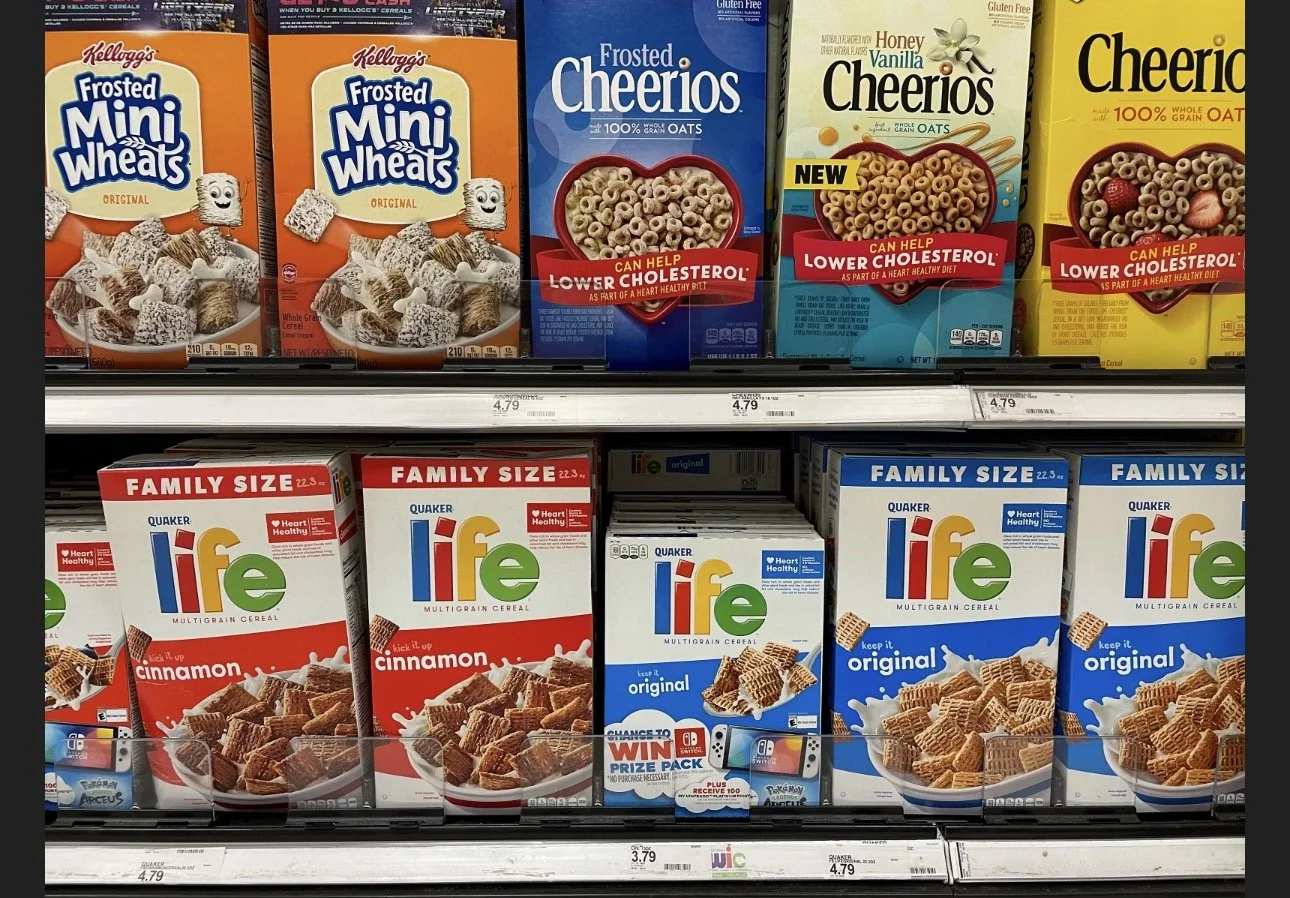
When the Bigger Package Isn't Actually the Better Value
Explore why larger packages and lower unit prices don't automatically provide greater value for every household.
Walk down almost any grocery aisle and you'll find products offered in different sizes.
A regular package. A family size. A value pack. A larger container that costs more upfront but less per ounce.
It can be easy to assume that more product for a lower unit price automatically means better value.
Sometimes it does.
Other times, the smaller package may make more sense.
Understanding the difference starts with looking beyond package size alone.
Bigger and cheaper per unit are two different things
Imagine you're comparing two packages of the same product:
12-ounce package: $3.00
24-ounce package: $5.00
The larger package costs more at checkout, but when you calculate the cost per ounce:
12-ounce package: $0.25 per ounce
24-ounce package: about $0.21 per ounce
The larger package has the lower unit price.
Unit price can be helpful because it allows you to compare products based on a common measurement, such as price per ounce, pound, or count.
But the comparison doesn't have to end there.
A lower unit price doesn't tell you how much you'll actually use
Getting more product for each dollar can sound like an easy win.
That extra amount only provides value, though, if it works for your situation.
If you regularly use the product and expect to finish the larger package, the lower unit price may be useful.
If part of the package is likely to sit unused or spoil, the calculation looks different in real life.
The FDA recommends buying only what you need and being careful with bulk purchases, particularly foods with a limited shelf life.
Before choosing the larger package, consider:
How often do you use this product?
How much does your household typically use?
How long can it be stored appropriately?
Are you likely to use the additional amount?
The answers can be different for every product and every household.
The money you spend today matters too
The larger package may cost less per unit and still require more money at checkout.
In our example, choosing the larger package means spending $2 more today.
For one shopper, spending the additional $2 for more product may work well.
For another, keeping today's grocery total lower may matter more.
Neither person is misunderstanding value.
They're simply considering different pieces of information.
That's why unit price and total price answer different questions.
Unit price helps you understand the cost relative to quantity.
Total price tells you what the purchase will cost right now.
Both can matter.
Storage can change the decision
Buying more also means having somewhere to keep more.
A larger package might work well if you have adequate pantry, refrigerator, or freezer space.
The same package may be inconvenient if storage is limited or if the product requires special storage after opening.
Storage can be particularly important for perishable foods. FDA food-waste guidance encourages shoppers to think about what they'll actually use and to store foods appropriately to maintain quality and safety.
That makes storage part of the value conversation too.
Package labels don't decide what's valuable to you
Words such as family size, value size, or bulk can draw attention to larger packages.
But the package itself doesn't know:
how many people you're feeding,
how often you use the product,
how much storage you have,
how much you're spending during that grocery trip,
or whether the additional quantity is useful to you.
You do.
And the information on the shelf can help you make that decision.
The Federal Trade Commission notes that unit pricing can help shoppers compare what they're paying per ounce, pound, or count, particularly when package quantities differ.
That information is useful without having to become a rule that the lowest unit price must always win.
Sometimes the bigger package is the better value
There are plenty of situations where buying the larger package can make sense.
You might use the product frequently.
Your household may go through it quickly.
You may have enough storage.
The additional upfront cost may comfortably fit your grocery budget.
And the lower unit price may mean you're getting more of something you'll actually use for the money you're spending.
In those circumstances, the larger package may offer more value for you.
The point isn't to avoid larger packages.
It's to understand why you're choosing one.
Sometimes smaller makes more sense
The smaller package might work better when:
you only need a small amount,
you don't use the product frequently,
storage is limited,
the product has a limited shelf life,
you're trying to keep today's grocery total lower,
or the larger quantity simply doesn't fit your household's needs.
A higher unit price doesn't automatically make that a poor decision.
You're considering more than one piece of information.
Value depends on what happens after the product leaves the shelf
Unit price can help you understand what you're paying for a certain quantity.
Package size tells you how much you're buying.
Total price tells you what you'll spend today.
But value also depends on what happens after you bring the product home.
Will you use it?
Can you store it?
Does the amount fit your household?
Does the purchase fit what you're able or willing to spend right now?
Those questions can turn a simple package-size comparison into a decision that's much more relevant to your actual life.
More product doesn't automatically mean more value.
Use package size and unit price as helpful information, then consider how much you'll actually use, what you'll spend today, your storage, and what works for your household.
Continue Learning with Nutrition Clarity Foundation
Food decisions are part of everyday life. Explore practical, easy-to-understand resources designed to help you better understand food information and make informed decisions with greater confidence.
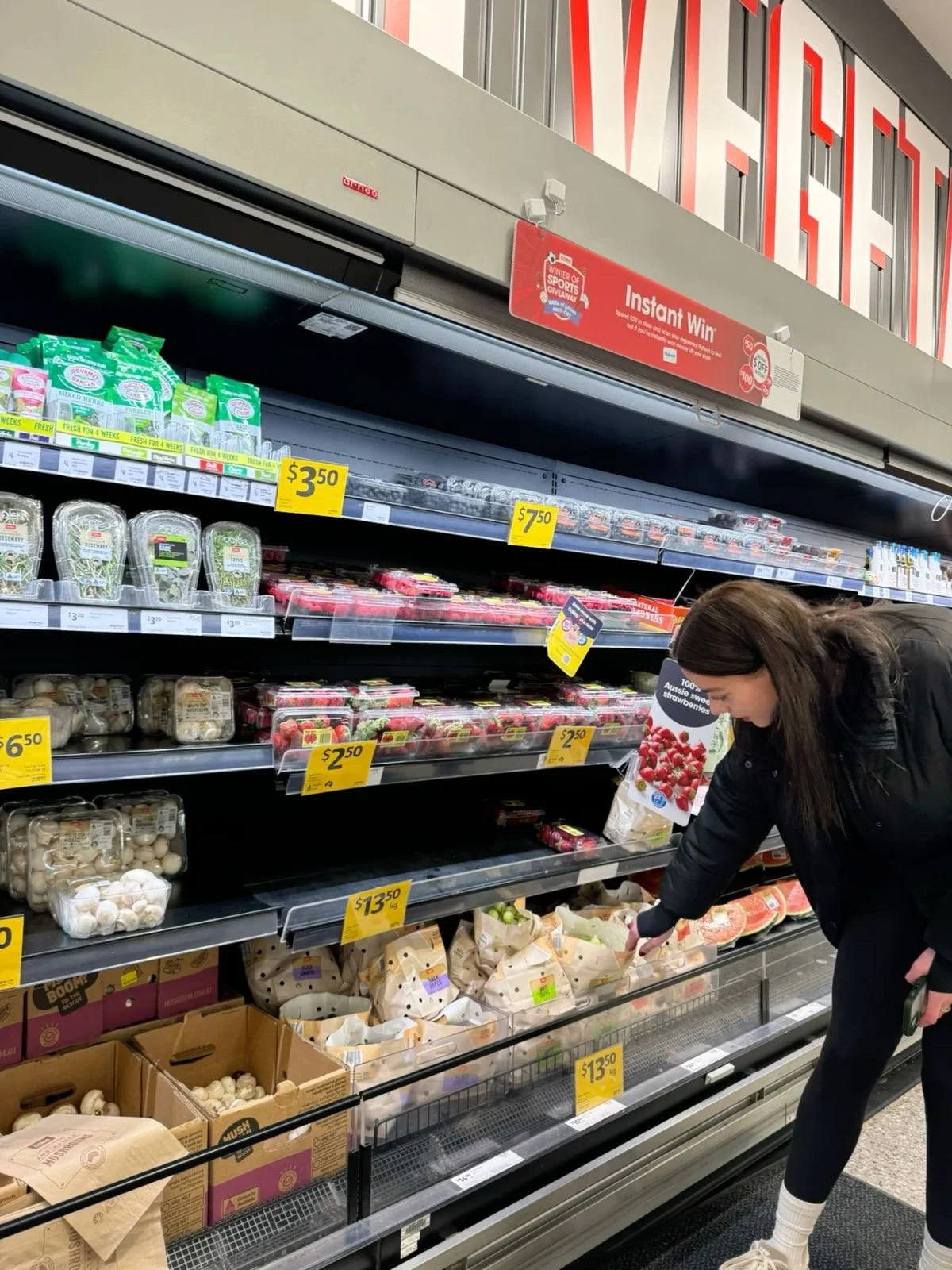
Price vs. Value: What's the Difference When Grocery Shopping?
Explain the difference between an item's price and the broader value it may offer based on quantity, use, household needs, and circumstances.
Two products can sit next to each other on a grocery shelf and tell you several different things about cost.
One might have the lower price today. Another might contain more food for the money. A larger package might have a lower unit price, while the smaller package requires less money at checkout.
So which one offers the better value?
The answer can depend on what matters in the decision you're making.
Price and value aren't always the same thing
Price tells you how much something costs.
If one package costs $3.00 and another costs $5.00, the $3.00 package has the lower total price.
Value considers what you're getting for that cost and how well it fits your needs and circumstances.
That can include the amount of product, how much you expect to use, the cost per unit, available storage, convenience, household preferences, and how much you want or are able to spend during that shopping trip.
This is why the product with the lowest price isn't automatically the product that offers the most value for every shopper.
Total price tells you what you'll pay today
The total price matters because grocery budgets happen in real time.
Imagine you're comparing two packages of the same product:
12-ounce package: $3.00
24-ounce package: $5.00
The smaller package costs less at checkout.
If keeping today's grocery total lower is the priority, that information may matter more to you than getting the largest quantity.
But total price doesn't tell you everything about how the two products compare.
Unit price gives you another way to compare
Unit price shows the cost of a product based on a standard unit, such as an ounce, pound, or individual item.
The Federal Trade Commission notes that unit prices, which are often displayed on grocery shelf labels, can help shoppers compare what they're paying per ounce, pound, or count.
Using our example:
12 ounces for $3.00 = $0.25 per ounce
24 ounces for $5.00 = about $0.21 per ounce
The larger package has the higher total price, but the lower cost per ounce.
Neither number makes the decision for you.
They answer two different questions:
Total price: How much am I paying today?
Unit price: How much am I paying for each unit of the product?
Having both pieces of information can give you a clearer comparison.
More product only creates value if it works for you
A lower unit price can be useful information, especially when comparing different package sizes. But buying more isn't automatically the better value.
Consider whether you'll actually use the additional amount.
The U.S. Food and Drug Administration recommends being cautious with bulk purchases, particularly foods with a limited shelf life, and considering what you'll realistically use before food spoils.
A larger package may make sense when you use the product regularly, have somewhere to store it, and the higher upfront cost fits your budget.
A smaller package may make more sense when you need less, have limited storage, want to spend less during that trip, or aren't likely to use the additional amount.
Value can look different from one household to another
There isn't one grocery-shopping formula that determines value for everyone.
When you're comparing products, you might consider:
Total Price
How much will you pay at checkout?
Unit Price
How much does the product cost per ounce, pound, count, or other unit?
Package Size
How much are you actually getting?
Expected Use
How much of the product are you realistically likely to use?
Storage
Do you have space to store the amount you're considering?
Household Needs and Preferences
Will the product actually work for the people you're buying it for?
Convenience
Does one option save time or make the product easier for you to use?
Different factors may matter more during different shopping trips.
You don't have to calculate everything
Value literacy isn't about turning every grocery trip into a math assignment.
Sometimes the total price is the information you need.
Sometimes unit price makes a comparison clearer.
Sometimes you already know that your household will only use a certain amount.
And sometimes convenience, preference, storage, or another factor matters enough that the lowest-cost option isn't the one you choose.
Food information is there to help you make decisions—not make the decisions for you.
Understanding the difference between price and value gives you another way to look at your options and decide what makes sense for your household, budget, and everyday life.
Use price as one piece of information—not the whole decision.
The option that offers the most value can change depending on what you're buying, how much you'll use, what you're able to spend, and what matters to you during that shopping trip.
Continue Learning with Nutrition Clarity Foundation
Food decisions are part of everyday life. Explore practical, easy-to-understand resources designed to help you better understand food information and make informed decisions with greater confidence.
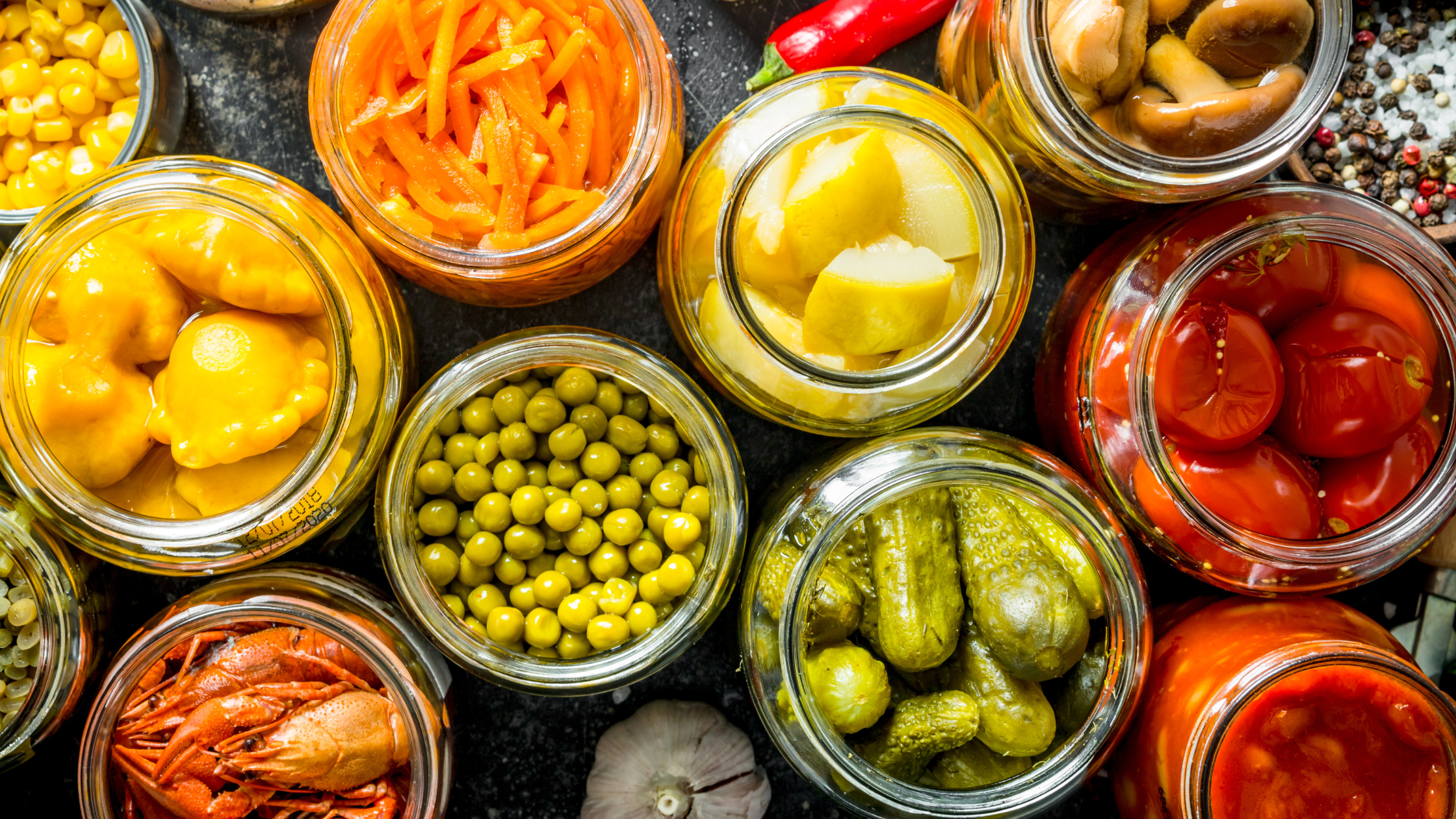
Why Are Preservatives Used in Food?
Learn why preservatives are used in food, the roles they can play in food safety, quality and shelf life, and how to understand them in context.
The word “preservative” can sometimes make people pause when they see it associated with food.
You might notice an ingredient you don't recognize, learn that it's being used as a preservative, and immediately wonder:
Why does this food need a preservative in the first place?
That's a useful question.
Preservatives aren't all used for exactly the same reason, and not every food requires the same approach to preservation. But understanding what preservation is designed to accomplish can give you much more context when you're reading ingredient lists and thinking about how foods are produced.
Food Doesn't Stay the Same Forever
Foods naturally change over time.
Depending on the food and its environment, microorganisms may grow, fats can become rancid, colors and flavors can change, and overall quality can decline.
That's one reason humans have preserved food for a very long time.
Drying, salting, fermenting, smoking, freezing, canning, and refrigeration are all examples of ways people have extended the usable life of foods.
Modern food production uses many of these methods as well as ingredients that can help preserve particular characteristics of a food.
So food preservation isn't one single process.
It's a collection of approaches used to help foods remain safe, stable, or maintain their expected quality for a period of time.
What Do Preservatives Actually Do?
Different preservatives can serve different functions.
Depending on the ingredient and the food, preservatives may help:
slow the growth of certain microorganisms
reduce spoilage
slow changes caused by oxidation
help maintain flavor
help maintain color or appearance
protect food quality during storage
extend shelf life
The specific reason a preservative is used depends on the product.
That's why simply seeing the word “preservative” doesn't tell you everything about what an ingredient is doing.
A more useful question is:
What is being preserved, and why?
Preservation Is About More Than Shelf Life
When people hear “preservative,” they often think about making food last longer.
Shelf life is certainly part of the conversation, but preservation can also be connected to food safety and quality.
A food has to move through multiple stages before it reaches you.
It may be produced in one location, packaged, transported, stored in a warehouse, delivered to a grocery store, placed on a shelf, purchased, taken home, and stored again before it's eaten.
Different foods have different requirements throughout that journey.
Some rely heavily on refrigeration.
Some are frozen.
Some are canned.
Some are dried.
Some use particular packaging technologies.
And some contain preservative ingredients.
Understanding that larger system helps explain why a food produced for widespread distribution may have different needs than something prepared at home and eaten immediately.
Not Every Preservative Has an Unfamiliar Name
It's also easy to associate preservation only with ingredients that sound technical.
But preservation isn't defined by whether an ingredient name sounds familiar.
Ingredients and processes people have encountered for generations can also help preserve foods.
Salt, sugar, acids, drying, fermentation, refrigeration, and freezing can all play roles in preservation depending on the food.
Modern food production may also use ingredients developed or selected for specific preservation functions.
This is another reason ingredient familiarity isn't always a useful shortcut for understanding how a food works.
The better question remains:
What function is this serving in the product?
Why Do Some Foods Need Preservatives While Others Don't?
Foods are different.
Their moisture levels, ingredients, packaging, storage conditions, production methods, and expected shelf lives can all influence how they are preserved.
A frozen vegetable doesn't have the same storage needs as a loaf of bread.
A canned food doesn't rely on the same preservation system as a refrigerated product.
A dry cereal has different characteristics from a prepared sauce.
That means you can't understand preservation by looking at one ingredient alone.
The entire product matters.
Does the Presence of a Preservative Tell You Whether a Food Is “Healthy”?
Not by itself.
A preservative tells you something about how an ingredient functions within a food.
It doesn't give you a complete evaluation of the food.
If you're trying to understand a product, you might also consider:
the Nutrition Facts label
the full ingredient list
serving information
your preferences or dietary needs
how you plan to use the food
how the product fits into your overall food decisions
This is one of the recurring principles of food literacy:
One piece of information rarely tells the entire story.
The same applies to preservatives.
Understanding the “Why” Behind Ingredients
Ingredient lists become much more useful when we move beyond simply recognizing ingredient names.
Instead of only asking:
What is this ingredient?
We can also ask:
Why is it here?
That question opens the door to understanding food production, preservation, quality, safety, texture, flavor, and the many other reasons ingredients may be used.
You don't have to prefer every ingredient or every type of food.
You also don't have to memorize the function of every preservative you encounter.
But understanding that ingredients have purposes can help you approach food labels with curiosity instead of making assumptions based on a single word.
That's what food literacy is ultimately about — having enough understanding to ask better questions and use the information available to you with greater confidence.
Related Resources
Continue learning about ingredient lists and why different ingredients are used in foods.
Continue Learning with Nutrition Clarity Foundation
Food decisions are part of everyday life. Explore practical, easy-to-understand resources designed to help you better understand food information and make informed decisions with greater confidence.

Feeding Yourself When You're Overwhelmed
Sometimes the hardest part about eating isn't knowing what food is available.
It's figuring out what to do with it.
You can have food in the refrigerator, options in the pantry, and enough knowledge to put something together — and still stand in the kitchen feeling like you cannot make one more decision.
What should I eat?
Do I need to cook?
What's going to take the least amount of time?
What sounds good?
What needs to be used before it goes bad?
Is this enough for a meal?
When you're already overwhelmed, feeding yourself can become another task competing for mental energy you don't have much of left.
And that's something nutrition advice doesn't always account for.
Knowing What to Eat and Having the Capacity to Do It Are Different Things
Food knowledge can be helpful.
Knowing how to read a Nutrition Facts label, understanding ingredients, comparing products, and knowing what foods you enjoy can all support everyday food decisions.
But knowledge doesn't eliminate circumstances.
You can know exactly what you would like to prepare and still not have the energy to prepare it.
You can have groceries and still feel overwhelmed by turning those groceries into meals.
You can have a meal plan and discover that the version of you who made the plan had much more capacity than the version of you who has to cook it.
That's real life.
And understanding food also means understanding that our circumstances influence how we use the information we have.
Overwhelm Can Make Small Food Decisions Feel Bigger
Eating involves more decisions than we sometimes realize.
Choosing what to eat.
Deciding how much effort you're willing to put into preparing it.
Considering what ingredients are available.
Thinking about what sounds appealing.
Deciding whether you have enough time.
Cleaning up afterward.
And if you're feeding other people, those decisions multiply.
When your mind is already carrying work, caregiving, finances, appointments, household responsibilities, or dozens of unfinished tasks, deciding what to eat can feel disproportionately difficult.
That's where decision fatigue can show up.
It doesn't necessarily mean you don't care about food.
Sometimes it simply means you've been making decisions all day.
Convenience Can Be Part of the Solution
Convenience is sometimes treated as something we should minimize when talking about food.
But convenience has value.
Frozen foods, canned foods, packaged foods, prepared ingredients, leftovers, takeout, and foods that require little or no preparation can all reduce the number of steps between realizing you're hungry and actually eating.
That matters.
A food doesn't exist separately from the effort required to obtain, prepare, serve, and clean up after it.
Sometimes a food that requires less effort is the option that makes the most sense for the circumstances you're in.
That doesn't mean convenience has to be your only consideration.
It means convenience is allowed to be one of your considerations.
Repetition Can Reduce the Mental Load
There is often pressure to make meals interesting and varied all the time.
But repetition can be useful.
Having a few familiar foods or simple combinations you return to can reduce the number of decisions you have to make when your capacity is low.
You don't necessarily need a completely new answer to "What's for dinner?" every night.
Sometimes knowing:
This is something I like.
This is something I can afford.
This is something I know how to prepare.
This is something I can manage today.
is enough information to make a decision.
Familiarity can be a system.
“Good Enough” Can Be a Useful Standard
When you're overwhelmed, searching for the ideal meal can make an already difficult decision harder.
You might find yourself mentally evaluating every possibility.
Is this balanced enough?
Should I cook instead?
Did I eat this yesterday?
Should I save this for later?
Is there something better I could make?
Sometimes the more useful question is:
What can I realistically eat right now?
That question doesn't abandon nutrition.
It introduces context.
Maybe you have more capacity tomorrow.
Maybe you'll cook later in the week.
Maybe today's meal is assembled from several easy foods instead of prepared from a recipe.
Food decisions don't have to look the same every day to be thoughtful decisions.
Your Circumstances Are Part of the Decision
Food literacy gives us tools for understanding food.
But those tools aren't meant to remove the human being from the decision.
Your time matters.
Your energy matters.
Your budget matters.
Your preferences matter.
Your household matters.
What is available matters.
And your capacity at that particular moment matters too.
Sometimes making an informed food decision means carefully comparing several products.
Other times, it means recognizing that you are overwhelmed and choosing something familiar, accessible, and manageable.
Both involve understanding what matters in the situation you're actually in.
Because feeding yourself isn't a test of how perfectly you can apply nutrition information.
It's something you have to navigate again and again throughout real life.
And sometimes clarity isn't finding the perfect meal.
Sometimes it's realizing that the option you can actually manage today is enough.
Related Resources
Continue exploring how food information and everyday circumstances can work together when making food decisions.
Continue Learning with Nutrition Clarity Foundation
Food decisions are part of everyday life. Explore practical, easy-to-understand resources designed to help you better understand food information and make informed decisions with greater confidence.

Why Do Some Food Ingredients Have Unfamiliar Names?
Learn why some food ingredients have unfamiliar or complicated names, what ingredient names can tell you, and better questions to ask when reading labels.
Reading an ingredient list can sometimes feel like reading another language.
You recognize flour, sugar, salt, or milk — and then suddenly encounter a name you've never seen before.
It can be easy to assume that an unfamiliar or complicated-looking ingredient must mean something concerning about the food.
But an ingredient name tells you what an ingredient is called.
It doesn't automatically tell you whether the ingredient is harmful, unnecessary, or something you should avoid.
Understanding why ingredient names can look unfamiliar is an important part of learning how to read ingredient lists with greater confidence.
Familiarity Isn't the Same as Understanding
We naturally feel more comfortable with things we recognize.
If you see salt on an ingredient list, you probably don't think twice about the word because you've encountered it countless times.
But familiarity can create an interesting shortcut in the way we interpret food.
A familiar name can feel safer simply because we recognize it.
An unfamiliar name can feel more concerning simply because we don't.
Neither reaction necessarily tells us much about the ingredient itself.
Sometimes an unfamiliar ingredient is simply something we haven't learned about yet.
That's why curiosity can be more useful than immediately categorizing an ingredient as "good" or "bad."
Ingredient Names Can Be Specific
Food manufacturers can't simply describe ingredients however they want.
Ingredients have established names that help identify what is actually being used in a food.
Sometimes those names are straightforward and familiar.
Other times they're more technical or specific.
You might also encounter different forms of familiar substances, vitamins, minerals, oils, starches, acids, sweeteners, emulsifiers, preservatives, or other ingredients used during food production.
The name may look complicated while the ingredient itself serves a fairly straightforward purpose.
This is one reason reading an ingredient list is only the beginning of understanding it.
Ingredients Have Jobs
One of the most useful questions you can ask when encountering an unfamiliar ingredient is:
What does this ingredient do?
Ingredients can serve many purposes in food.
Some help preserve freshness.
Some contribute flavor or sweetness.
Some help ingredients blend together.
Some influence texture or consistency.
Some help maintain color.
Some provide nutrients.
Some help a food remain stable during storage and transportation.
Others are simply part of the food itself.
Understanding an ingredient's function gives you more useful information than judging it by how its name sounds.
For example, learning that an ingredient helps prevent separation tells you something about why it might be included in a particular product.
The unfamiliar name becomes less mysterious once you understand its role.
Processing Can Introduce Words We Don't Use at Home
The foods produced in commercial kitchens and manufacturing facilities often have different needs than foods prepared and eaten immediately at home.
A packaged food may need to maintain its texture.
It may need to remain stable while being transported.
It may need to stay safe and maintain quality throughout its expected shelf life.
It may need ingredients to remain evenly distributed.
Those needs can influence which ingredients are used.
That doesn't mean every ingredient is necessary for every food, or that every consumer has to prefer foods containing them.
It simply means there may be a reason an ingredient is there.
Understanding that reason gives you more context for deciding what matters to you.
“I Can't Pronounce It” Isn't a Complete Food Rule
You've probably encountered advice suggesting that you shouldn't eat an ingredient if you can't pronounce its name.
It's memorable advice.
But pronunciation isn't a reliable way to evaluate an ingredient.
People have different vocabularies, educational backgrounds, languages, and familiarity with food science. A word that's unfamiliar to one person may be completely familiar to another.
And many naturally occurring substances can have scientific names that sound complicated.
Difficulty pronouncing a word tells us something about our familiarity with the word.
It doesn't tell us everything we need to know about the substance.
Instead of asking:
Can I pronounce this?
A more useful question might be:
Do I understand what this ingredient is and why it's being used?
You Don't Have to Memorize Every Ingredient
Food literacy isn't about becoming a food scientist.
You don't need to memorize hundreds of ingredient names before you're allowed to feel confident reading a package.
You can encounter something unfamiliar and simply recognize:
I don't know what that is yet.
That's different from assuming:
That must be bad.
You can look for reliable information when an ingredient matters to a decision you're making.
You can learn what the ingredient does.
You can consider why it might be used in that particular food.
And you can decide whether that information matters to you.
Sometimes it will.
Sometimes it won't.
Understanding Before Judging
Ingredient lists can tell us a lot about how foods are made.
But getting useful information from them requires more than dividing ingredients into familiar and unfamiliar categories.
An unfamiliar name is an opportunity to ask another question.
What is it?
What does it do?
Why might it be in this food?
Is this information relevant to the decision I'm making?
Those questions create room for something that fear and assumptions often don't:
understanding.
And the more comfortable you become asking questions about food, the less intimidating an unfamiliar ingredient list can become.
Related Resources
Continue exploring ingredient lists, food processing, and why different ingredients are used in packaged foods.
Suggested related resources:
Continue Learning with Nutrition Clarity Foundation
Food decisions are part of everyday life. Explore practical, easy-to-understand resources designed to help you better understand food information and make informed decisions with greater confidence.
Why Food Decisions Don’t Always Have One “Right” Answer
Food decisions involve more than nutrition. Learn how cost, convenience, preferences, circumstances, and food information can shape everyday choices.
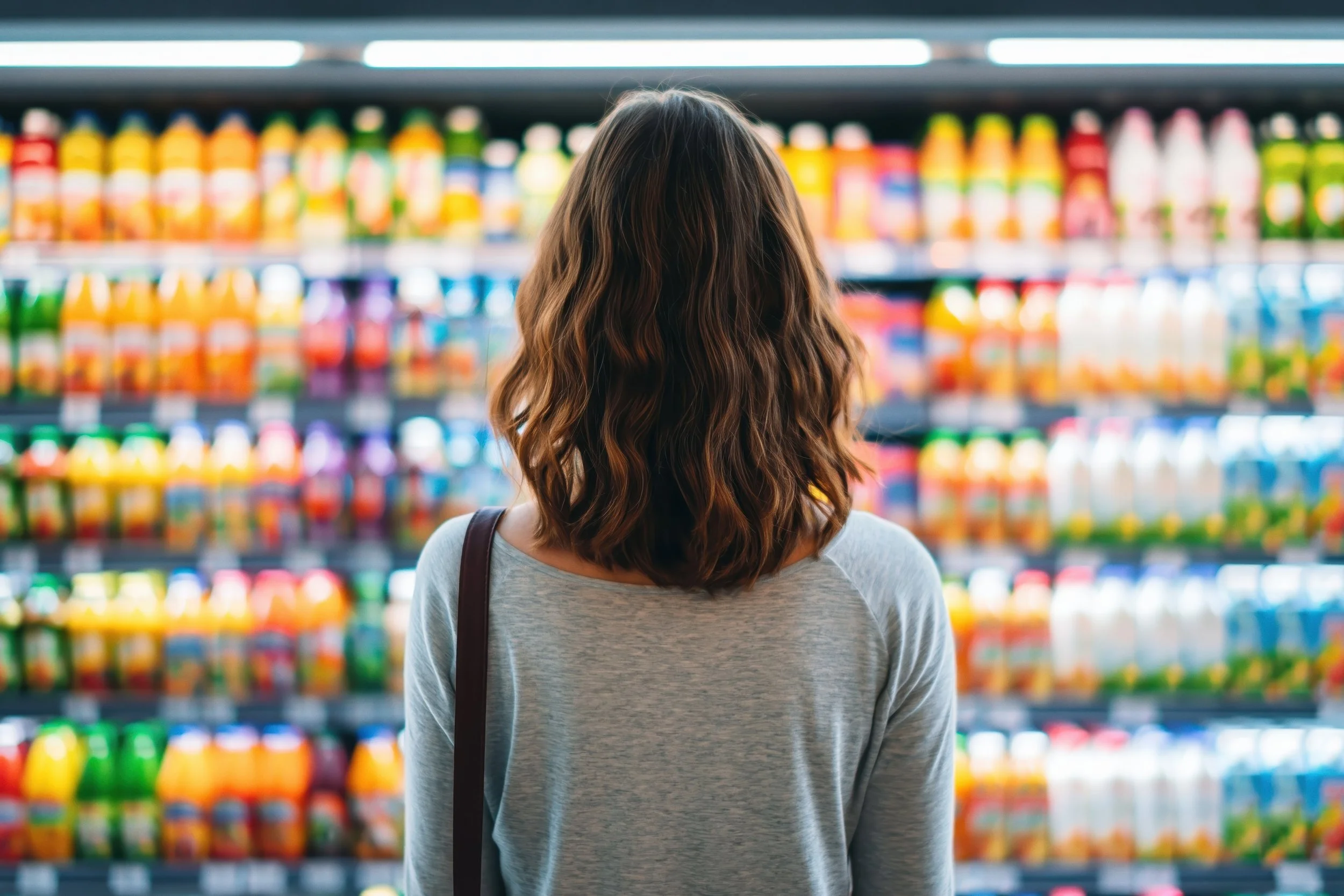
Food decisions can feel surprisingly complicated.
Walk into a grocery store and you might find yourself choosing between two products with different prices, ingredients, nutrition information, claims, package sizes, and benefits. Add personal preferences, household needs, time, budget, and availability, and what looked like a simple decision suddenly involves a lot of information.
It can be tempting to ask:
Which one is the right choice?
But when it comes to everyday food decisions, there often isn't one answer that works for everyone.
Understanding that can make food decisions feel a lot less overwhelming.
Food Decisions Involve More Than Nutrition Facts
Nutrition information can be useful when comparing foods, but it is only one part of a decision.
Imagine choosing between two similar products.
One costs less.
One has a flavor your family prefers.
One has more fiber.
One comes in a larger package.
One is available at the store you already visit.
Which one should you choose?
There isn't enough information to answer that question without knowing what matters to the person making the decision.
For one household, cost may be the priority.
For another, convenience may matter most.
Someone else may be looking for a particular nutrient, avoiding an allergen, accommodating a household preference, or simply choosing the product they enjoy more.
Food literacy isn't about ignoring nutrition information. It's about understanding how to use that information alongside everything else that matters.
Context Changes the Decision
The same person can make different food decisions at different times.
A product that works well during a busy week might not be the one you choose when you have more time.
Your grocery priorities at the beginning of the month may look different from your priorities at the end of it.
A food that works for one member of your household may not work for another.
Your needs can change.
Your budget can change.
Your schedule can change.
What's available can change.
That's why context matters.
A food decision doesn't happen in isolation. It happens within a real life.
Sometimes You're Balancing Trade-Offs
Many everyday decisions involve trade-offs.
You may want something affordable, convenient, enjoyable, nutritious, familiar, easy to prepare, and available nearby.
Sometimes you'll find something that checks every box.
Sometimes you won't.
That doesn't mean you've made a bad decision.
It means you've made a decision using the options available to you.
Recognizing trade-offs can be especially helpful because it moves us away from thinking about food choices as perfect or imperfect.
Instead, we can ask:
What matters most in this situation?
Maybe you're willing to spend a little more for convenience today.
Maybe price matters more this week.
Maybe you're comparing Nutrition Facts because you're interested in a particular nutrient.
Maybe you're buying the food your household will actually eat instead of the option that looks better on paper.
These are different priorities — not necessarily right and wrong decisions.
More Information Doesn't Always Make Decisions Easier
Food packages contain a lot of information.
Nutrition Facts.
Ingredient lists.
Claims.
Certifications.
Symbols.
Serving information.
Marketing language.
And outside the grocery store, we're surrounded by even more information from social media, advertisements, news stories, friends, family, and online searches.
Having access to information is valuable.
But more information doesn't automatically create clarity.
Sometimes it creates more questions.
That's why understanding what different pieces of information actually mean is so important.
A Nutrition Facts label can tell you certain things.
An ingredient list can tell you other things.
A marketing claim may tell you something specific about a product.
Price tells you something else.
None of them necessarily tells you, by itself, what you should buy.
The decision still belongs to you.
Better Questions Can Be More Useful Than Perfect Answers
Instead of asking:
What is the best food?
It may be more useful to ask:
What am I trying to decide?
Which information matters for this decision?
What are my priorities right now?
What fits my circumstances?
What questions do I still have?
These questions don't give everyone the same answer.
That's the point.
They help you think through the decision instead of searching for a universal rule.
Over time, that process can make food decisions feel less like a test you have to pass and more like a skill you can practice.
Confidence Doesn't Mean Knowing Everything
Being an informed food consumer doesn't mean memorizing every nutrition term, understanding every ingredient immediately, or always knowing which product to choose.
Confidence can look much simpler.
It can mean knowing where to look when you have a question.
It can mean understanding what information a food label provides.
It can mean comparing products without feeling like one difference automatically determines the winner.
And sometimes, it can mean recognizing that two different choices could both make sense.
Food literacy isn't about finding the one perfect answer.
It's about developing the knowledge and confidence to understand your options, consider what matters to you, and make thoughtful decisions within the realities of your everyday life.
Related Resources
Continue exploring how food literacy can support thoughtful, confident everyday decisions.
Suggested related resources:
Continue Learning with Nutrition Clarity Foundation
Food decisions are part of everyday life. Explore practical, easy-to-understand resources designed to help you better understand food information and make informed decisions with greater confidence.

Why Are Ingredients Listed in a Certain Order?
Learn why food ingredients are listed in a specific order, what ingredient order tells you about a product, and how to read ingredient lists with confidence.
Have you ever looked at an ingredient list and wondered why the ingredients appear in the order they do?
The order isn't random.
Ingredient lists are designed to give consumers useful information about what a food contains. Understanding how that order works can make the ingredient list much easier to navigate — especially when a product contains a long list of ingredients.
Ingredients Are Listed by Weight
In the United States, ingredients are generally listed in descending order by weight.
That means the ingredient that weighs the most when the food is made appears first, followed by the ingredient that weighs the next most, and so on.
The ingredients toward the end of the list are present in smaller amounts by weight.
For example, imagine a product with an ingredient list that begins:
Whole grain oats, sugar, almonds, sunflower oil, salt...
Whole grain oats contribute more by weight to the product than the ingredients that follow them. Sugar contributes more by weight than the almonds, sunflower oil, or salt.
This gives you a useful way to understand the general composition of a food.
But there is an important distinction:
The ingredient list tells you the order of ingredients by weight. It does not usually tell you the exact amount of each ingredient.
You might know that one ingredient comes before another, but that doesn't necessarily tell you whether the difference between their amounts is large or small.
Why Weight Matters
Foods are made from ingredients with very different properties.
Some ingredients naturally contribute much more weight to a product than others. Water, for example, can make up a significant portion of certain foods. Spices, flavorings, or other ingredients may be important to the finished product while contributing relatively little weight.
That's why position on an ingredient list shouldn't automatically be interpreted as a measure of how important, beneficial, or concerning an ingredient is.
It tells you something specific:
how the ingredients compare by weight when the food is formulated.
Understanding what a piece of food information actually tells you — and what it doesn't — is an important part of food literacy.
What About Ingredients Within Ingredients?
Ingredient lists can become more complicated when one ingredient is made from several other ingredients.
These are sometimes called multi-component ingredients.
For example, a food might contain chocolate chips, a sauce, breading, or another prepared ingredient that has ingredients of its own.
You may see the main ingredient followed by its components in parentheses, such as:
Chocolate chips (sugar, chocolate, cocoa butter, soy lecithin, vanilla)
Those parentheses help provide a fuller picture of what is actually in the food.
So when reading an ingredient list, don't just scan the first few words. Parentheses can contain additional information that helps you understand how the product is made.
Does a Long Ingredient List Mean a Food Is Less Healthy?
Not necessarily.
The number of ingredients alone doesn't tell you the nutritional quality of a food.
Some foods require more ingredients because of how they are produced, preserved, flavored, textured, or packaged. Others may have very short ingredient lists.
Neither characteristic tells the entire story.
This is where ingredient lists are sometimes misunderstood.
It's tempting to use shortcuts such as:
fewer ingredients = better
or
unfamiliar ingredients = worse
But those rules can leave out important context.
A more useful approach is to understand what the ingredient list is actually communicating and then consider it alongside other information about the product.
Look Beyond the First Ingredient
You've probably heard advice telling you to look at the first ingredient on a package.
That can be useful because the first ingredient contributes the greatest amount by weight.
But stopping there means missing most of the information available to you.
Depending on what you're trying to understand, you might also look at:
the rest of the ingredient list
the Nutrition Facts label
serving information
allergens
nutrition or marketing claims
how the food fits your preferences and circumstances
Food products contain multiple pieces of information for a reason.
No single line on the package has to make the entire decision for you.
Ingredient Lists Are Information — Not a Scorecard
One of the most useful shifts you can make when reading food packages is to stop treating individual pieces of information as automatic judgments.
An ingredient appearing first doesn't make a food automatically “good” or “bad.”
A long ingredient list doesn't automatically make a product less nutritious.
And an unfamiliar ingredient doesn't automatically tell you whether you should avoid a food.
Instead, ingredient lists are tools.
They help answer questions such as:
What's in this food?
What ingredients contribute the most by weight?
What other ingredients are included?
Are there ingredients I personally need or want to know about?
Once you understand what you're looking at, you can decide which information matters for the decision you're making.
That's the difference between simply seeing an ingredient list and knowing how to use one.
Related Resources
Continue exploring how food labels and ingredient lists can help you better understand the foods you encounter every day.
Suggested related resources:
Continue Learning with Nutrition Clarity Foundation
Food decisions are part of everyday life. Explore practical, easy-to-understand resources designed to help you better understand food information and make informed decisions with greater confidence.

The Mental Load of Feeding a Household
The Mental Load of Feeding a Household
Feeding a household is often talked about like it’s a simple daily task.
Cook dinner.
Buy groceries.
Make sure everyone eats.
But for many people, especially parents and caregivers, it’s much bigger than that.
Because feeding a household is not just physical labor — it’s mental labor too.
It’s constantly thinking ahead.
What’s in the fridge?
What needs to be used first?
What can stretch for another meal?
Who likes what?
Who refuses what?
What’s affordable right now?
What’s fast enough for today?
What can realistically get cooked with the energy that’s left?
And those thoughts don’t happen once a day. They happen continuously.
That ongoing planning, remembering, anticipating, adjusting, and problem-solving creates what many people experience as food-related mental load.
It’s invisible work.
The kind that often goes unnoticed because meals eventually appear, groceries eventually get bought, and everyone keeps moving through the week. But behind those outcomes is constant mental processing that can become exhausting over time.
Especially when the responsibility falls heavily on one person.
Food is deeply tied to care, which is why so many people feel pressure around it. There’s pressure to provide balanced meals. Pressure to make everyone happy. Pressure to avoid waste. Pressure to save money. Pressure to be consistent even when life is overwhelming.
And when those pressures collide with limited time, energy, or support, feeding a household can stop feeling nurturing and start feeling relentless.
What makes this harder is that nutrition conversations rarely acknowledge the emotional and mental side of feeding people.
Advice is often reduced to:
meal prep more
cook ahead
stay organized
make healthier choices
But those suggestions assume people have the bandwidth to constantly manage food systems efficiently.
Sometimes they do.
Sometimes they don’t.
And when capacity is low, even deciding what everyone is going to eat can feel mentally draining.
This is why decision fatigue around meals is so real.
After making countless decisions throughout the day — parenting decisions, work decisions, financial decisions, emotional decisions — the brain eventually starts resisting more choices. So by the time food comes up, many people feel stuck between pressure and exhaustion.
Not because they don’t care, but because they’ve already used so much mental energy trying to hold everything else together.
This is also why people often cycle between extremes:
trying to organize everything perfectly
then completely burning out from the effort
Because maintaining food systems takes ongoing energy.
And sustainable systems have to account for human capacity, not just ideal routines.
Sometimes reducing mental load matters more than optimizing meals.
That might look like:
repeating the same meals during busy weeks
simplifying grocery decisions
relying on easier foods when needed
lowering expectations temporarily
choosing consistency over perfection
Those adjustments are not signs of failure.
They are often what make nourishment sustainable.
Feeding a household is not just about food itself. It’s about the emotional and mental work attached to making sure people are cared for day after day.
That work deserves acknowledgment.
Because when people feel less pressure to perform food perfectly, they often gain more space to approach nourishment with flexibility, honesty, and less exhaustion.
And that kind of sustainability matters far more than appearances.
Continue Your Learning
Food and nutrition don't happen in isolation. Explore more articles, educational resources, and practical guidance designed to help you navigate everyday food decisions with greater clarity.

Why Feeding Yourself Can Feel Impossible During Burnout
Why Feeding Yourself Can Feel Impossible During Burnout
There are seasons where something as simple as eating feels heavier than it should.
Not because you don’t care about your body or your health, but because everything feels like too much at once. Even deciding what to eat can feel like a decision you don’t have the capacity for. And when that happens, it’s easy to start judging yourself for it.
But burnout changes how we move through basic needs. It doesn’t just affect energy at work or in parenting or in responsibilities. It affects the small, invisible things too — like eating, planning meals, or even noticing hunger in the first place.
For many people, burnout doesn’t look dramatic. It looks like skipping meals without realizing it. It looks like staring at the fridge and feeling nothing. It looks like choosing whatever is easiest, not because it’s ideal, but because it requires the least mental effort. And then it often comes with guilt afterward, as if needing ease is a personal failure.
But nothing about this is a character flaw.
Burnout pulls your system into survival mode. In survival mode, your brain prioritizes what feels immediately necessary and shuts down extra processing. That means planning meals, preparing food, and even remembering to eat can fall low on the priority list — not because it doesn’t matter, but because your system is overloaded.
This is where so many nutrition conversations miss the point. They assume clarity is always available. They assume energy is consistent. They assume people are operating from a regulated, resourced place. But real life doesn’t always look like that.
Sometimes nourishment has to meet you where you are, not where you think you “should” be.
And in burnout seasons, nourishment might look like:
eating something simple without overthinking it
repeating the same meals because decision-making is too heavy
relying on convenience foods so you can conserve energy elsewhere
eating at irregular times because structure isn’t accessible right now
choosing “good enough” instead of perfect
None of that is failure. It’s adaptation.
The goal in these seasons isn’t to force yourself into a perfect nutrition system. The goal is to stay connected enough to your needs that you’re still caring for yourself in small, realistic ways.
Sometimes that looks like asking, “What is the easiest thing I can tolerate eating right now?” instead of “What is the healthiest option?”
Sometimes it looks like keeping a few low-effort foods around that require no planning or emotional labor.
Sometimes it just looks like eating something at all.
There is a lot of pressure in wellness culture to treat food as something that should always be intentional, structured, and optimized. But in real life, especially in burnout, food is often about continuity. It’s about staying steady enough to get through the day without adding more strain.
And that deserves understanding, not shame.
If you are in a season where feeding yourself feels difficult, it doesn’t mean you’re doing life wrong. It means you’re carrying more than your system can comfortably hold right now. And your relationship with food is responding to that load.
The most important shift is not forcing discipline — it’s reducing pressure.
Because sometimes healing your relationship with nourishment starts with allowing it to be simple again.
Continue Your Learning
Food and nutrition don't happen in isolation. Explore more articles, educational resources, and practical guidance designed to help you navigate everyday food decisions with greater clarity.
Nutrition Advice Sounds Easy Until You’re Living Real Life
Nutrition Advice Sounds Easy Until You’re Living Real Life
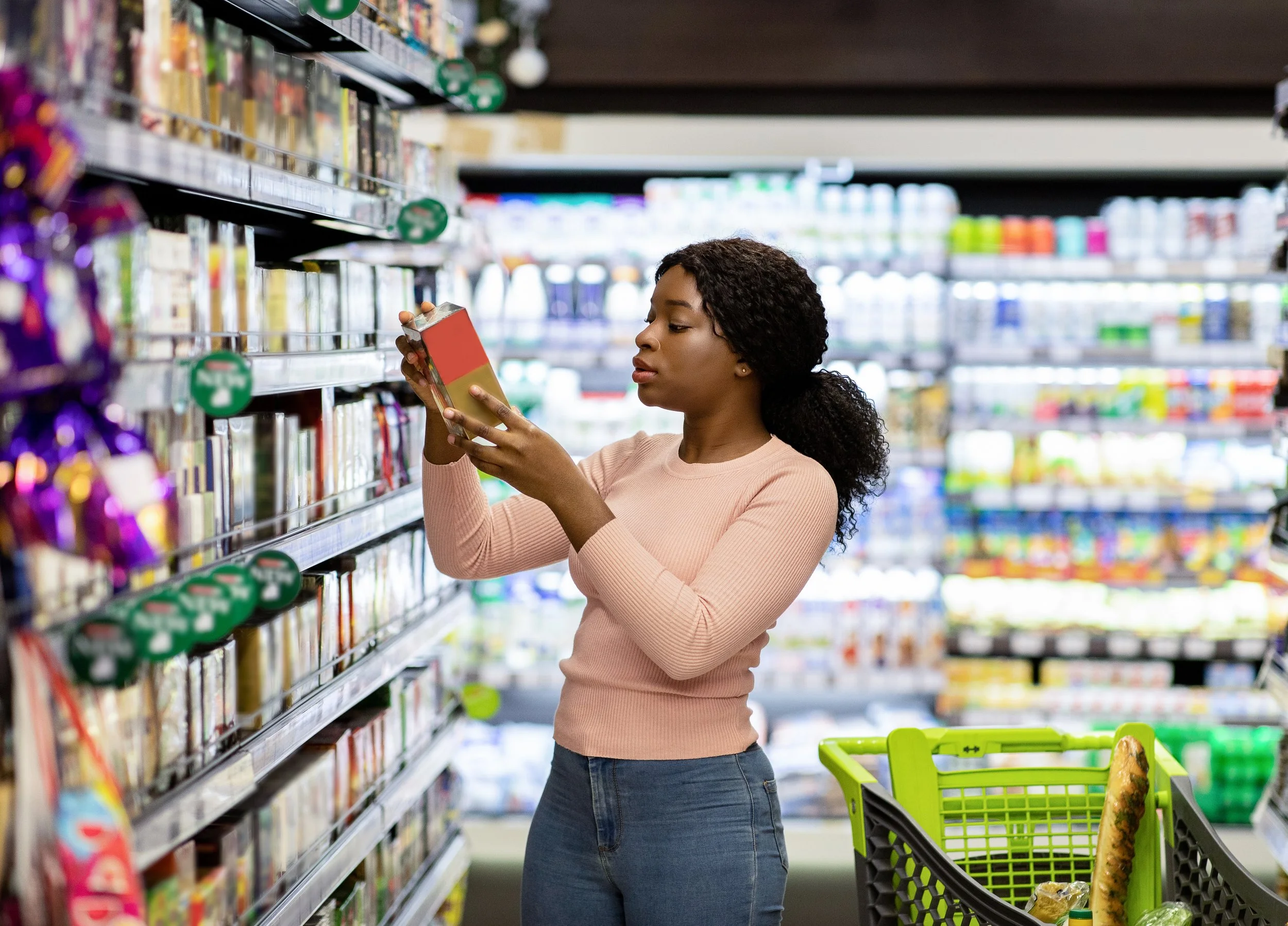
On paper, nutrition advice is often simple.
Eat more whole foods. Cook at home. Plan your meals. Stay consistent. Don’t skip meals. Drink more water. Keep healthy options available.
It sounds straightforward when you’re reading it from a place of rest.
But real life doesn’t always offer the conditions that make those things easy to do.
Because most nutrition advice assumes something important: that people have enough time, energy, emotional capacity, and mental space to actually follow through consistently.
And many people don’t.
In real life, food decisions are made while juggling exhaustion, work, parenting, stress, finances, overstimulation, and emotional load. They are made in the middle of tired mornings, long days, and nights when the thought of cooking feels like too much.
So even when you know what “healthy choices” look like, knowing is not the same as having the capacity to act on it.
This is where people often start to feel like they are the problem.
Like if they were more disciplined, more organized, more motivated — it would be easier.
But a lot of the time, it’s not a discipline issue. It’s a capacity issue.
There’s a difference.
Capacity is what you have available in your system at any given time. And capacity changes depending on what you’re carrying.
If your day is already full, if your mind is already overloaded, if your body is already tired, then even basic nutrition tasks can feel heavy.
Not because you don’t care — but because you’re already stretched.
This is why so many people can understand nutrition advice intellectually, but still struggle to apply it consistently in real life.
Because the gap isn’t knowledge.
It’s energy.
It’s support.
It’s time.
It’s systems.
And sometimes it’s just space to breathe.
What makes this even more complicated is how nutrition culture often frames consistency as a moral trait. Like eating well is a reflection of discipline or self-respect, and struggling means something is wrong with you.
But food is not a moral system.
It is a daily survival system.
And survival looks different depending on the season you’re in.
There are seasons where cooking at home is realistic and grounding.
And there are seasons where getting through the day is the priority, and food becomes whatever is accessible, fast, and tolerable.
Both are real.
Both are human.
Neither makes you better or worse.
What often helps more than advice is honesty about what life actually looks like.
Because when you remove the pressure to perform nutrition perfectly, you can start to see what’s actually possible for you right now — not in theory, but in reality.
Sometimes that means simplifying meals instead of optimizing them.
Sometimes that means repeating foods you already know you can handle.
Sometimes that means choosing convenience so you can preserve energy for other parts of your life.
And sometimes that means redefining what “taking care of yourself” looks like in this specific season.
Not forever. Just right now.
Nutrition doesn’t stop being important when life is hard. But the way you approach it has to shift when your capacity shifts.
And that shift is not failure.
It’s adjustment.
If anything, real-life nutrition is less about perfect habits and more about flexibility — the ability to meet yourself where you are instead of where you think you should be.
Because the goal isn’t to follow advice perfectly.
The goal is to stay supported enough that you can keep going.
Continue Your Learning
Food and nutrition don't happen in isolation. Explore more articles, educational resources, and practical guidance designed to help you navigate everyday food decisions with greater clarity.

What Nourishment Really Looks Like in Hard Seasons
What Nourishment Really Looks Like in Hard Seasons
There’s a version of nourishment that gets talked about a lot.
Balanced meals. Fresh ingredients. Structured routines. Cooking with intention. Sitting down at the table. Having everything feel calm and put together.
And sometimes life does look like that.
But there are also seasons where none of that feels accessible.
Hard seasons don’t always announce themselves clearly. They can come from burnout, grief, financial stress, parenting demands, overstimulation, or just the accumulation of too many responsibilities with too little support. And when those seasons hit, even basic daily care can start to feel complicated.
In those moments, nourishment doesn’t disappear — it just changes shape.
One of the biggest misconceptions in nutrition and wellness spaces is that nourishment only counts when it looks intentional. But in real life, nourishment is often much more flexible and much less polished.
Sometimes nourishment is:
eating something quick because you haven’t had time to think
relying on familiar foods because decision-making is limited
choosing convenience so you can keep functioning
eating in pieces instead of full structured meals
getting through the day with whatever is available
And even though that may not match idealized versions of “healthy eating,” it still matters.
Because nourishment is not just about the form food takes — it’s about whether your body is being supported enough to keep going.
Hard seasons often shrink your capacity. They reduce your bandwidth for planning, preparing, and thinking through meals. So instead of asking, “What is the perfect way to eat?” a more realistic question becomes, “What is the most supportive option I can manage right now?”
That shift changes everything.
It removes the pressure to perform wellness and replaces it with something more grounded: responsiveness.
Nourishment in hard seasons is not about optimization. It’s about maintenance. It’s about staying connected enough to your needs that you’re not completely depleted.
There’s also something important to acknowledge here — many people carry guilt around how they eat in difficult times. They compare their current habits to past routines or to idealized standards they’ve seen online, and assume they’re falling short.
But hard seasons are not where you measure discipline.
They are where you observe capacity.
And capacity is not fixed. It expands and contracts depending on what life is asking of you.
So instead of using these seasons as proof that something is wrong, they can be understood as information. They show you what support is needed. They show you what’s missing. They show you what has become too heavy to maintain alone.
Nourishment in these moments might not look impressive, but it can still be steady. And steadiness is often what matters most.
Because getting through the day while still eating something, still caring for yourself in small ways, still meeting basic needs even imperfectly — that is also a form of care.
Not loud care. Not curated care. But real care.
And real care is often what carries people through.
Continue Your Learning
Food and nutrition don't happen in isolation. Explore more articles, educational resources, and practical guidance designed to help you navigate everyday food decisions with greater clarity.
Why Convenience Foods Shouldn’t Carry So Much Shame
Why Convenience Foods Shouldn't Carry So Much Shame
There is a quiet kind of shame that shows up around food.
It’s not always spoken out loud, but it shows up in thoughts like:
I should’ve cooked something
I should be eating better than this
This isn’t healthy enough
I’m being lazy with food again
And a lot of that pressure gets attached to convenience foods.
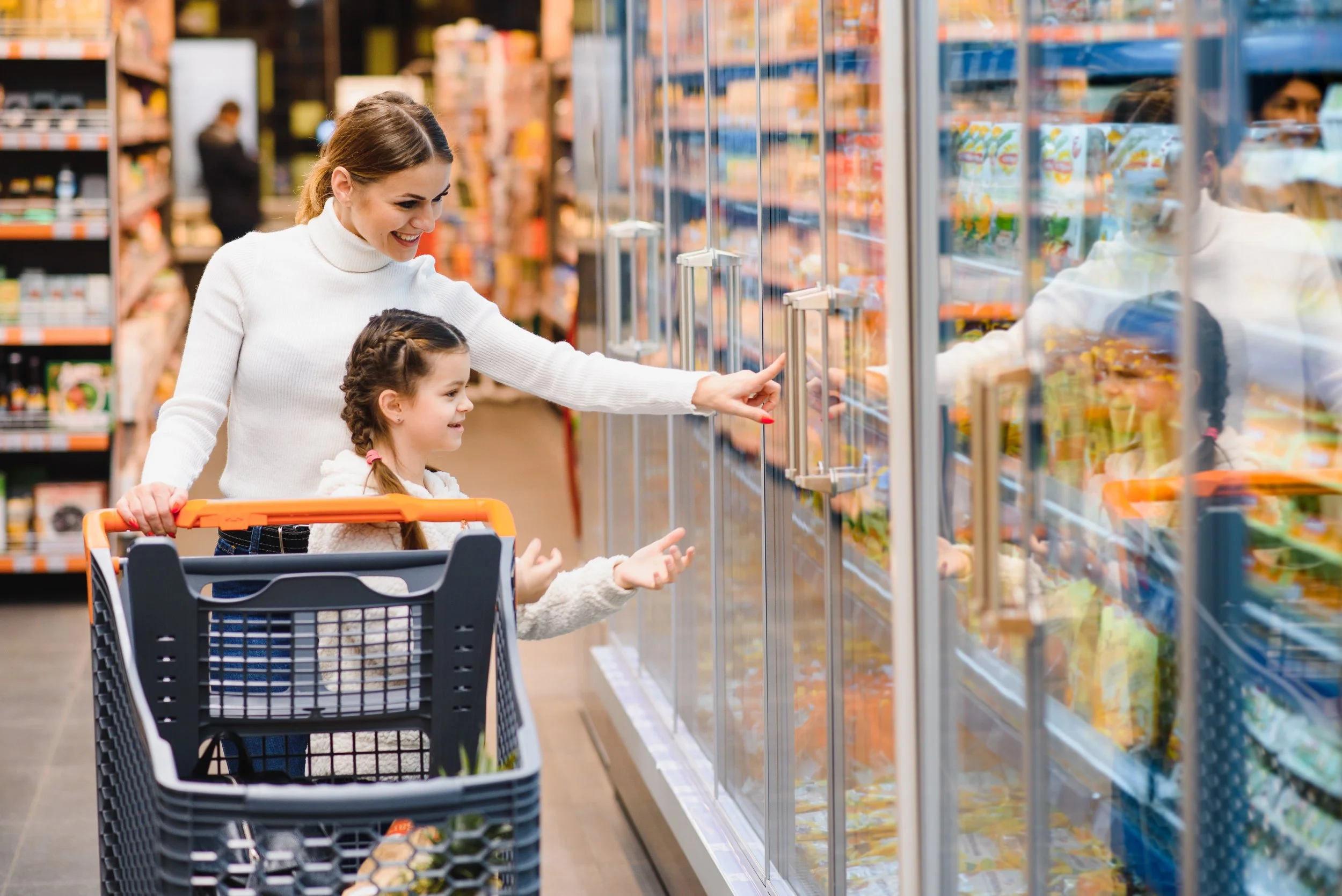
Frozen meals, fast food, pre-packaged snacks, takeout — the kinds of foods that make life easier when time, energy, or capacity is low.
Somewhere along the way, these foods became morally labeled as “bad choices.”
But food is not moral.
It is functional.
And convenience foods exist for a reason: real life requires them.
There are days when cooking a full meal is realistic, grounding, and even enjoyable. But there are also many days when it isn’t.
Days when you’re tired.
Days when you’re overstimulated.
Days when you’re managing too many responsibilities at once.
Days when the idea of cooking adds more pressure than relief.
On those days, convenience foods are not a failure — they are a support system.
They bridge the gap between needing nourishment and not having the capacity to prepare it.
The problem is not convenience itself. The problem is the story we attach to it.
When people start believing that “good eating” only counts when it is freshly cooked or perfectly planned, they begin to judge themselves for doing what actually keeps them going.
And that judgment can create more distance from nourishment, not less.
Because shame doesn’t usually lead to better care. It often leads to avoidance, stress, or disconnection from basic needs.
A more realistic way to think about food is this:
Food is there to support your life — not compete with it.
That means convenience foods can absolutely be part of a balanced, supportive way of eating, especially in seasons where capacity is limited.
They are not the opposite of care. They can be a form of care.
Care looks different depending on context.
Sometimes care is cooking a full meal from scratch.
Sometimes care is assembling something quick so you can rest sooner.
Sometimes care is choosing whatever is available so you can keep your energy for something else that matters.
None of these are lesser forms of care.
They are responses to real conditions.
When shame is removed from convenience foods, something important becomes possible: honesty.
You can actually see your needs more clearly.
Instead of asking, “Why am I not doing this the ‘right’ way?” you can ask, “What do I actually need to function right now?”
That question is much more useful.
Because nutrition in real life is not about purity or perfection. It’s about sustainability.
And sustainability means having options for every kind of day — not just the ideal ones.
Convenience foods don’t mean you’ve given up.
They often mean you’re still showing up for yourself in the most realistic way available to you.
And that matters more than people realize.
Continue Your Learning
Food and nutrition don't happen in isolation. Explore more articles, educational resources, and practical guidance designed to help you navigate everyday food decisions with greater clarity.