Ascorbic Acid
What Is Ascorbic Acid?
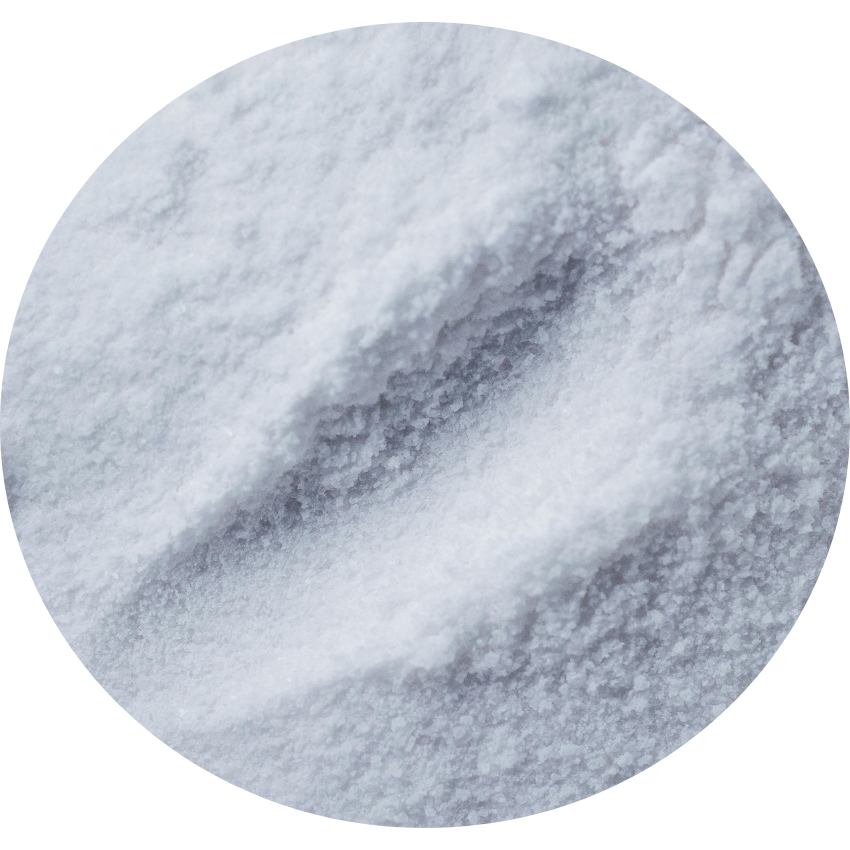
Ascorbic acid is another name for vitamin C. FDA identifies vitamin C and ascorbic acid as synonymous terms in food and supplement labeling contexts.
As a food ingredient, ascorbic acid can serve several purposes. It may be added to provide vitamin C, but it can also perform technical functions that help with the food itself.

Why Is It Used in Food?
Ascorbic acid can serve different functions depending on the product.
It may be used to:
Add vitamin C to a food
Act as an antioxidant
Help slow certain changes in color or quality
Support freshness
Help control acidity
Support dough or food processing in certain products
FDA lists ascorbic acid as having several technical functions, including antioxidant, nutrient supplement, pH-control agent, dough strengthener, and others.

Where Might You See It?
Ascorbic acid may appear in foods such as:
Fruit and juice products
Breads and other grain products
Cereals
Beverages
Packaged fruits and vegetables
Other foods that have been fortified with vitamin C or where ascorbic acid serves a technical function
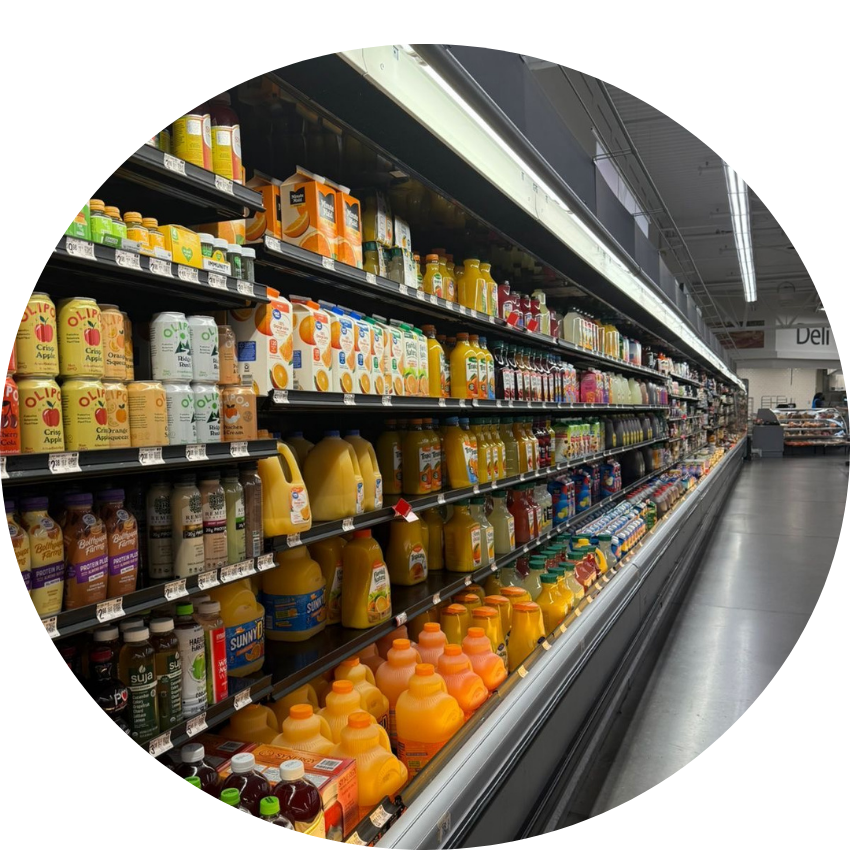
FDA consumer guidance lists ascorbic acid both among ingredients used as nutrients and among ingredients used as preservatives.
What to Know
One of the most useful things to know about ascorbic acid is that an ingredient can be both a nutrient and a functional food ingredient.
Seeing “ascorbic acid” in an ingredient list doesn't necessarily tell you why it was added. In one food, it may be there to provide vitamin C. In another, its antioxidant properties may help maintain aspects of the food's quality. It can also serve other technical functions depending on the product.
This is a good example of why understanding an ingredient's function and context can tell us more than simply recognizing its name.
Food Literacy Tip
When an ingredient has a familiar name and a technical name, make the connection:
Ascorbic acid = Vitamin C
Then consider the next question:
“What role might it be serving in this particular food?”
Explore More Ingredients
Found another ingredient on a food label that you want to understand?
Explore the NCF Ingredient Index to learn what ingredients are, why they may be used in foods, and how they fit into the bigger picture of food information.

Sources
U.S. Food & Drug Administration (FDA)
Substances Added to Food: Ascorbic Acid — FDA's ingredient inventory identifies ascorbic acid as vitamin C and lists its technical functions, including antioxidant, nutrient supplement, pH-control agent, dough strengthener, flavor enhancer, stabilizer/thickener, and others.
FDA — Ascorbic Acid Ingredient EntryTypes of Food Ingredients — lists ascorbic acid as an example of both a nutrient and a preservative used in foods and explains the general purposes of these ingredient categories.
FDA — Types of Food IngredientsDietary Supplement Labeling Guide: Nutrition Labeling — FDA identifies “Vitamin C (ascorbic acid)” as accepted synonymous terminology, which helps support the plain-language connection between the two names.
FDA — Dietary Supplement Labeling Guide