Smart Grocery Shopping
Applying Food Literacy in the Grocery Store
The grocery store is where food literacy becomes practical.
Every shopping trip involves dozens of decisions—from comparing products and reading labels to evaluating prices and deciding what best fits your household's needs.
Smart grocery shopping isn't about buying the "perfect" foods or following strict rules. It's about using food literacy skills to better understand the choices available and shop with greater confidence.
Shopping with a Plan
Many grocery decisions begin before you enter the store.
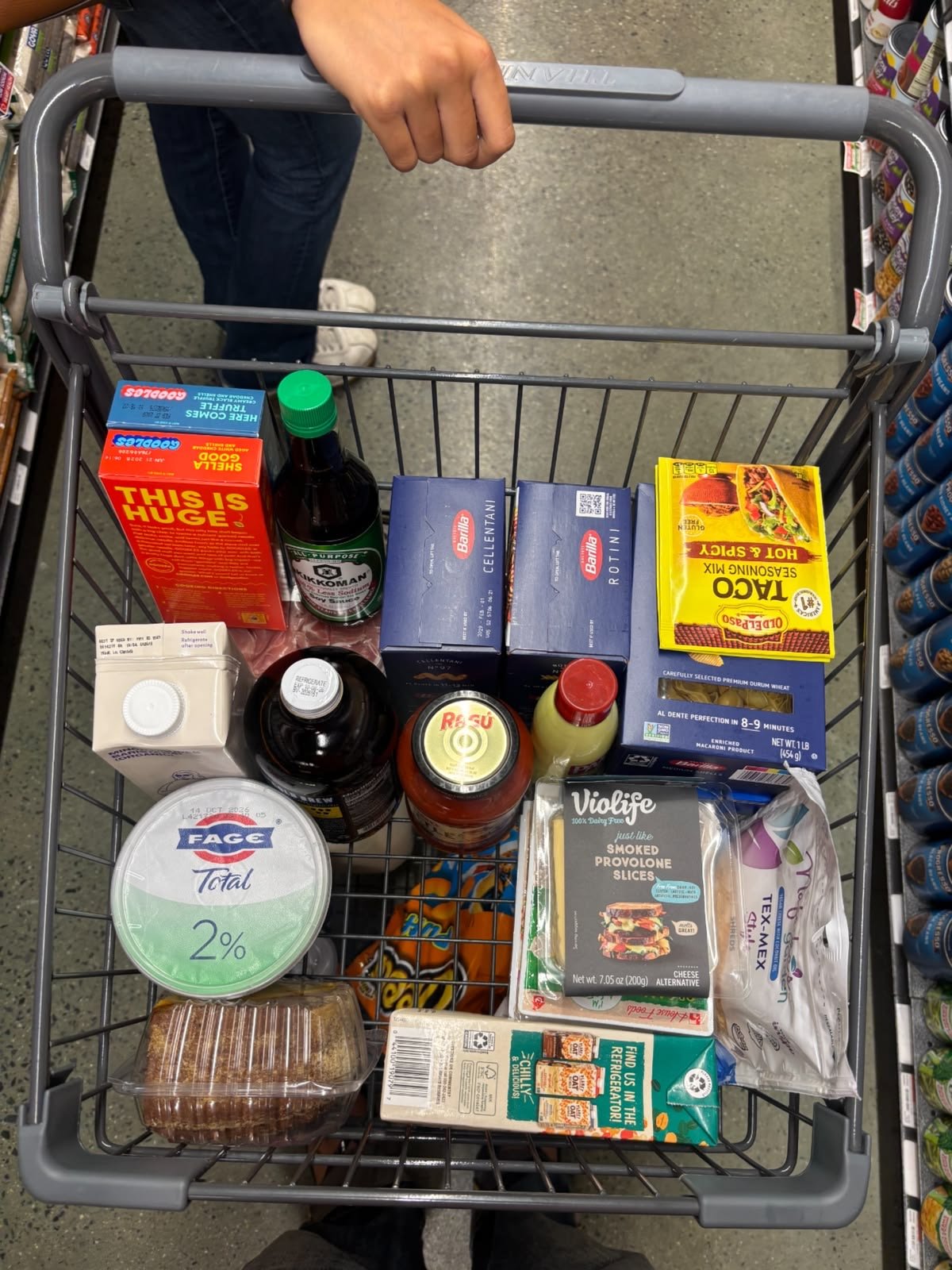
Planning meals, creating a shopping list, checking what you already have at home, and considering your budget can help make shopping more organized and intentional.
Having a plan doesn't eliminate flexibility—it simply provides a starting point for making thoughtful decisions.
Understanding the Grocery Environment
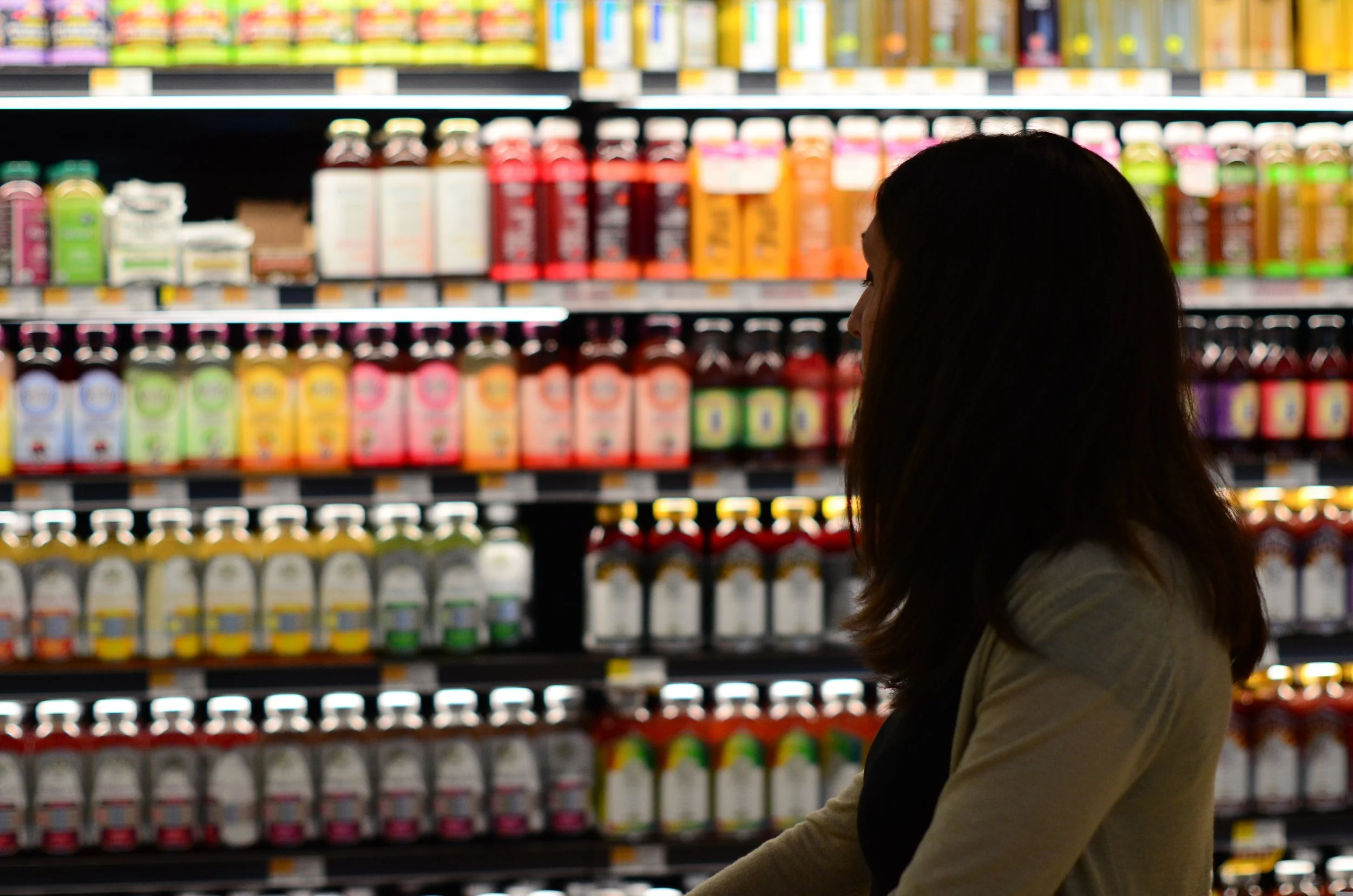
Grocery stores are designed to organize thousands of products into departments, aisles, and displays that make shopping more convenient.
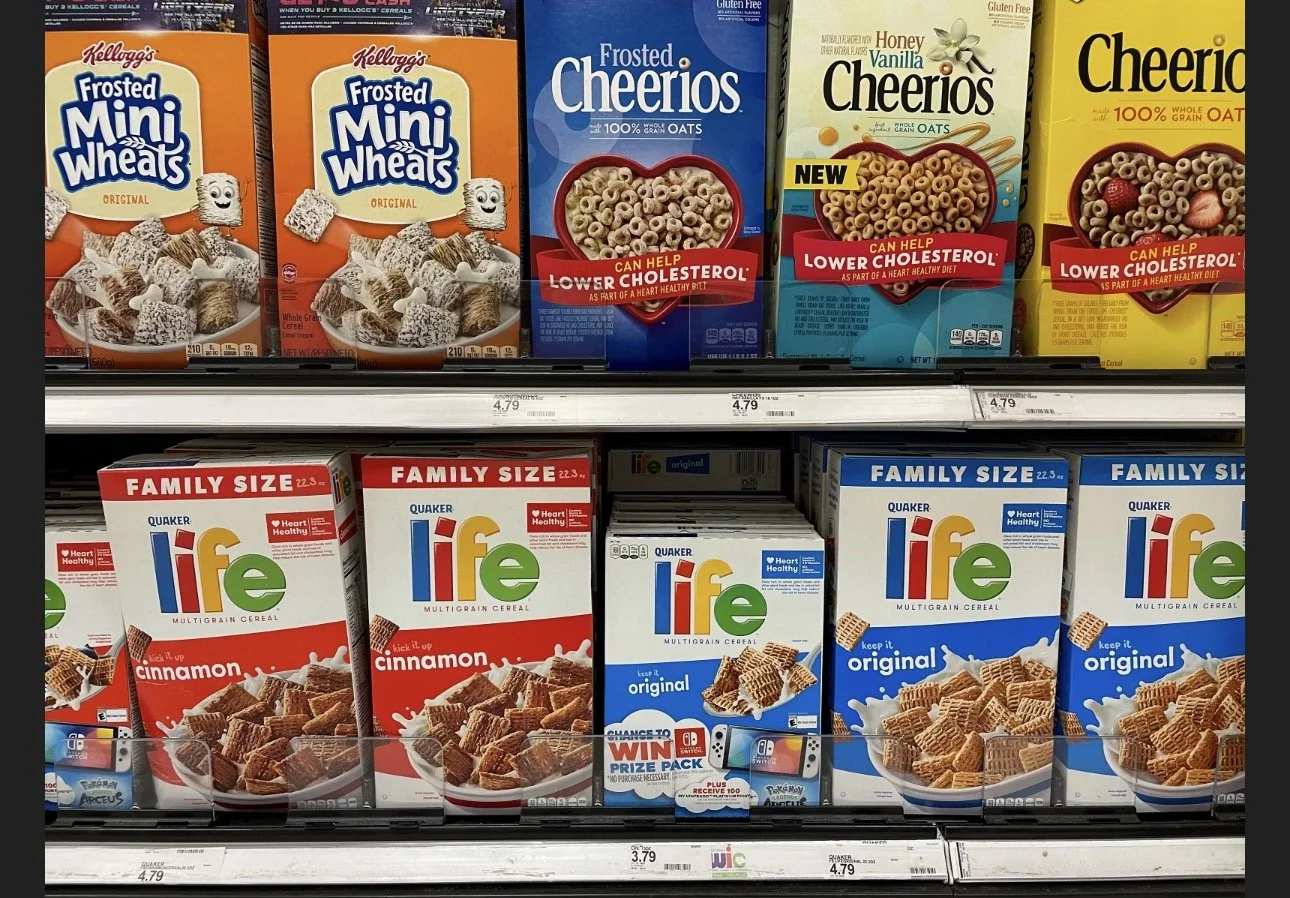
As you move through the store, you'll encounter a variety of products, package sizes, brands, promotions, and marketing messages.
Understanding how the grocery environment is organized can make it easier to compare products and find the information you need.

Comparing Price and Value
Price is one factor to consider, but it isn't the only one.
Value literacy means looking beyond the price on the shelf to consider what you're getting for that price and how well a product fits your needs.
When comparing products, it can be helpful to consider:
Unit price
Package size
Number of servings
Store brands and national brands
Product quality
Intended use
How much of the product your household is likely to use
A larger package isn't automatically the better value, and the lowest-priced option isn't automatically the best fit. Thinking about value alongside price can provide additional context when making purchasing decisions.
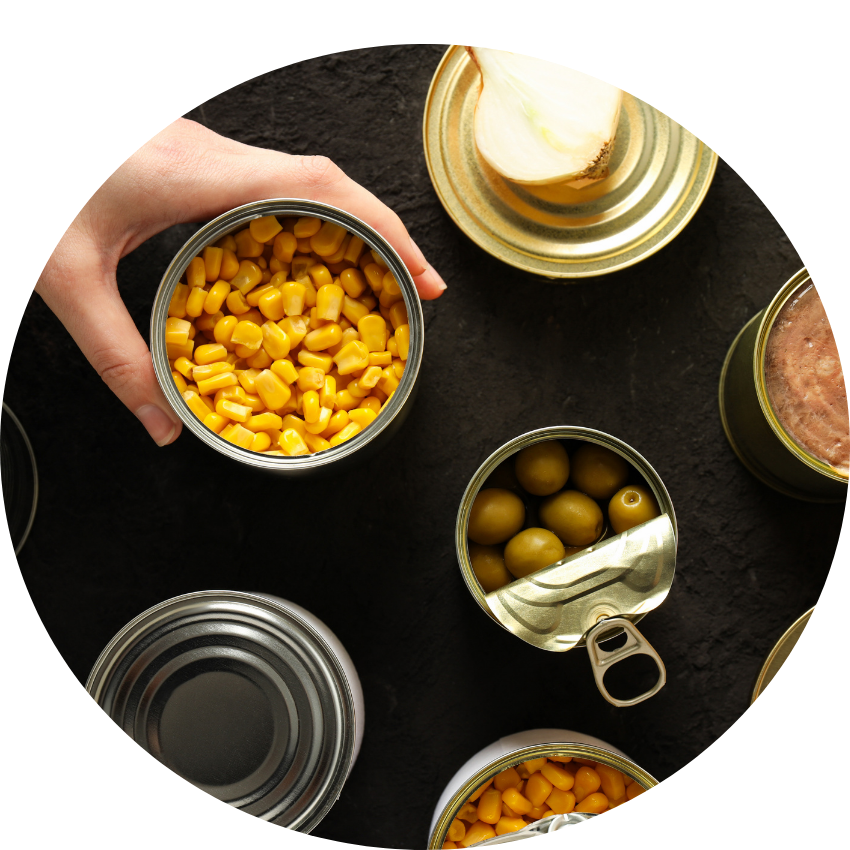
Fresh, Frozen, and Canned Foods
Many foods are available in fresh, frozen, and canned forms.
Each may offer different advantages depending on factors such as availability, convenience, storage, cost, preparation time, and intended use.
Understanding these differences can help you evaluate products based on your individual needs and circumstances rather than assuming one option is always the best choice.
Applying Food Literacy While Shopping
The grocery store brings together many of the skills introduced throughout the Food Literacy Library.
As you shop, you may find yourself:
Reading Nutrition Facts labels
Comparing ingredient lists
Interpreting marketing claims
Comparing similar products
Evaluating price and value
Considering how a product fits your needs
These everyday decisions provide opportunities to apply food literacy in practical ways.
Shopping with Confidence
Every grocery trip is an opportunity to build food literacy.
The goal isn't to make every decision perfectly. It's to become more comfortable understanding food information, comparing options, and making thoughtful decisions over time.
Confidence grows through curiosity, practice, and experience—not by memorizing every answer before entering the store.
Continue Your Food Literacy Journey
Explore more topics in our Food Literacy Library:
Want to Go Deeper?
Continue building your food literacy with additional learning resources, activities, and videos in the Nutrition Clarity Resource Hub.