How to Read Nutrition Labels
Understanding Nutrition Facts Labels for Everyday Food Decisions
Nutrition Facts labels are designed to provide standardized information about packaged foods, making it easier to understand what's in a product and compare it with similar options. Yet for many people, these labels can feel overwhelming or confusing at first glance.
Questions like What does % Daily Value mean?, Why are serving sizes different?, and Which information should I pay attention to? are common—and understandable.
Learning how to read nutrition labels isn't about memorizing numbers or following strict rules. It's about understanding what the information means so you can use it when it matters most.
Whether you're comparing products at the grocery store, learning more about the foods you eat, or simply curious about what's on a package, understanding Nutrition Facts labels is an important part of building food literacy.
Why Nutrition Facts Labels Matter
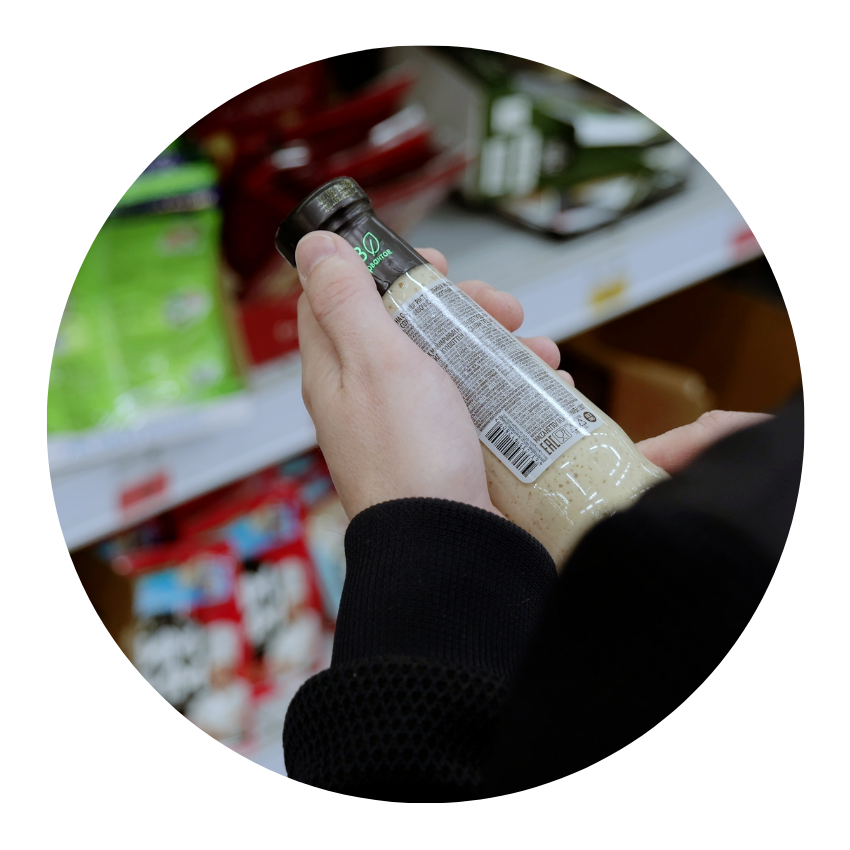
Nutrition Facts labels help provide consistent information about packaged foods.
They make it possible to compare products using the same format, helping consumers better understand serving sizes, nutrients, and other nutrition information.
Nutrition labels can help you:
Compare similar products
Understand serving information
Learn about nutrients found in foods
Better interpret packaged food information
Support more informed everyday food decisions
A Nutrition Facts label doesn't tell you whether a food is "good" or "bad." Instead, it provides information that can help you better understand the product you're looking at.
Understanding the Nutrition Facts Label
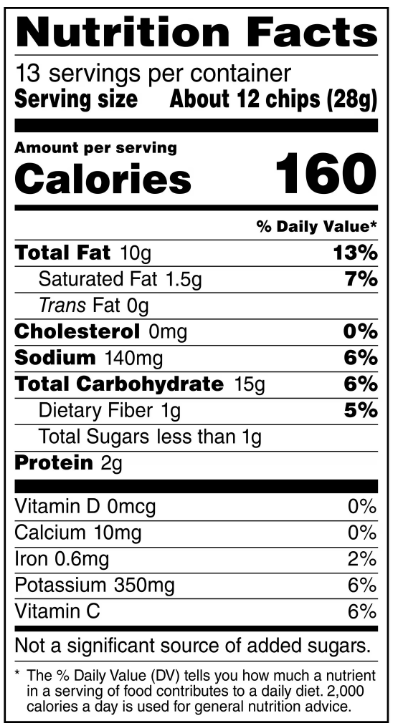
Every Nutrition Facts label contains several sections that work together to provide information about a food product.
Learning what each section represents makes labels much easier to understand.
The major sections include:
Serving Size
Servings Per Container
Calories
Nutrient Information
Percent Daily Value (%DV)
Vitamins and Minerals
Rather than focusing on just one section, it's helpful to consider the label as a whole.
Understanding the Information on the Label
Serving Size
Serving size is the foundation of the Nutrition Facts label because all of the information shown is based on that amount.
For example, if the serving size is one cup, the calories and nutrients listed apply to one cup of that product.
It's also important to notice how many servings are in the package. Some products that appear to be a single serving may actually contain multiple servings.
Calories
Calories represent the amount of energy a food provides.
While calories are one piece of information, they don't tell the whole story. Foods with similar calorie amounts may differ in ingredients, nutrients, serving sizes, and intended uses.
Understanding calories alongside the rest of the Nutrition Facts label provides a more complete picture of a product.
Nutrient Information
The Nutrition Facts label includes information about nutrients found in a food, such as:
Total Fat
Saturated Fat
Sodium
Total Carbohydrates
Dietary Fiber
Total Sugars
Added Sugars
Protein
Vitamins and Minerals
Each nutrient offers different information about the nutritional composition of a product. Looking at several nutrients together can provide a more complete understanding than focusing on just one.
Percent Daily Value (%DV)
Percent Daily Value (%DV) shows how much a nutrient in one serving contributes to a general daily diet.
Rather than viewing it as a score or rating, think of %DV as a tool that helps you compare similar products and better understand the nutrient content of a food.
Comparing Food Products Using Nutrition Labels
One of the most useful ways to use Nutrition Facts labels is when comparing similar products.
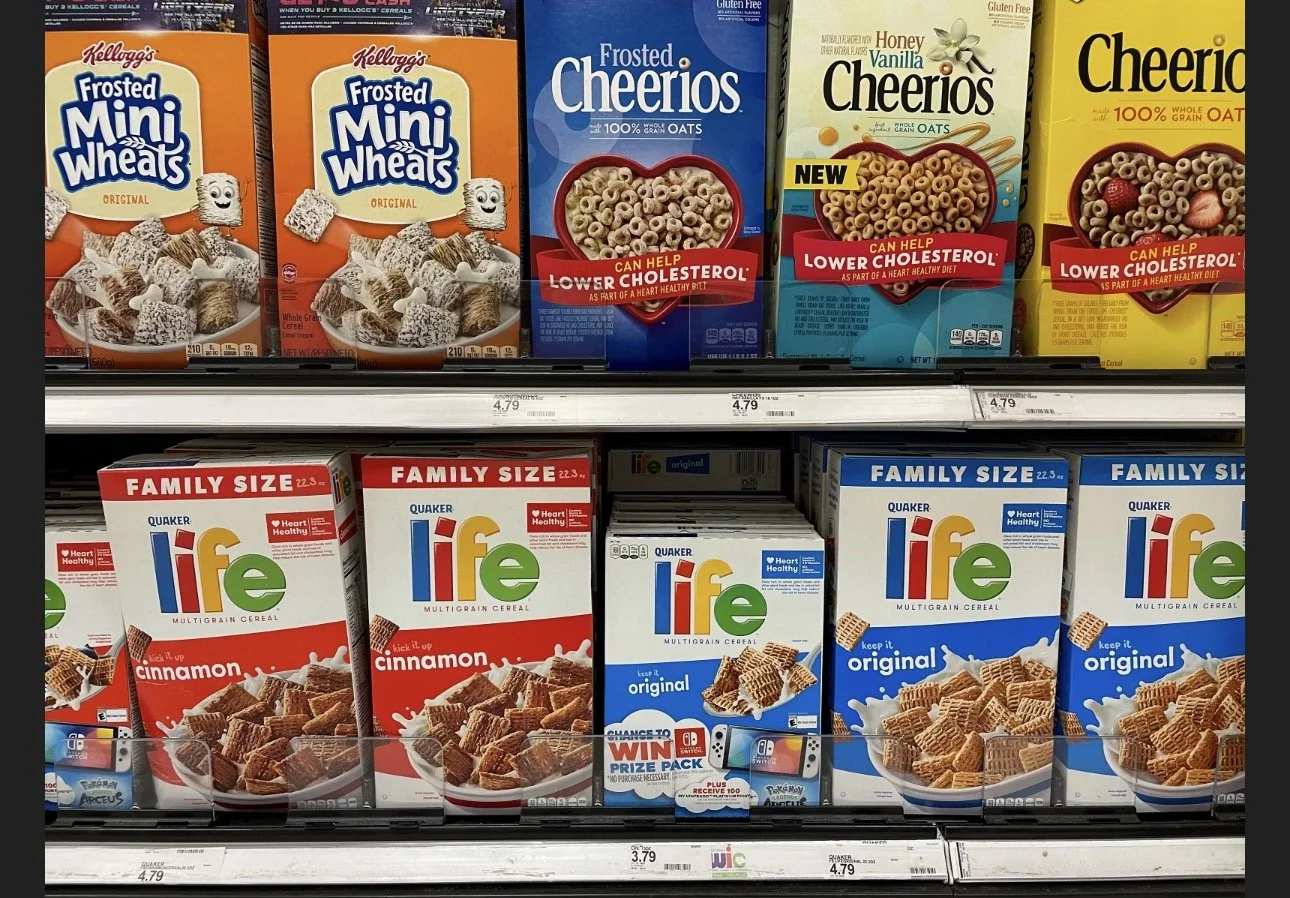
For example, when comparing two breakfast cereals, you might look at:
Serving size
Calories
Fiber
Added sugars
Protein
Sodium
Ingredient lists
Looking at several pieces of information together often provides a more complete picture than focusing on a single number alone.
Nutrition labels are designed to help consumers make side-by-side comparisons using consistent information.

Common Misunderstandings About Nutrition Labels
When first learning to read Nutrition Facts labels, it's common to focus on only one part of the label.
Some common mistakes include:
Looking only at calories
Ignoring serving size
Focusing on a single nutrient
Relying only on front-of-package marketing claims
Forgetting to compare ingredient lists
Nutrition labels work best when viewed as one part of the overall information available on a food package.

Continue Your Food Literacy Journey
Explore more topics in our Food Literacy Library:
Want to Go Deeper?
Continue building your food literacy with additional learning resources, activities, and videos in the Nutrition Clarity Resource Hub.