How to Compare Food Products
Using Food Information to Make Thoughtful Comparisons
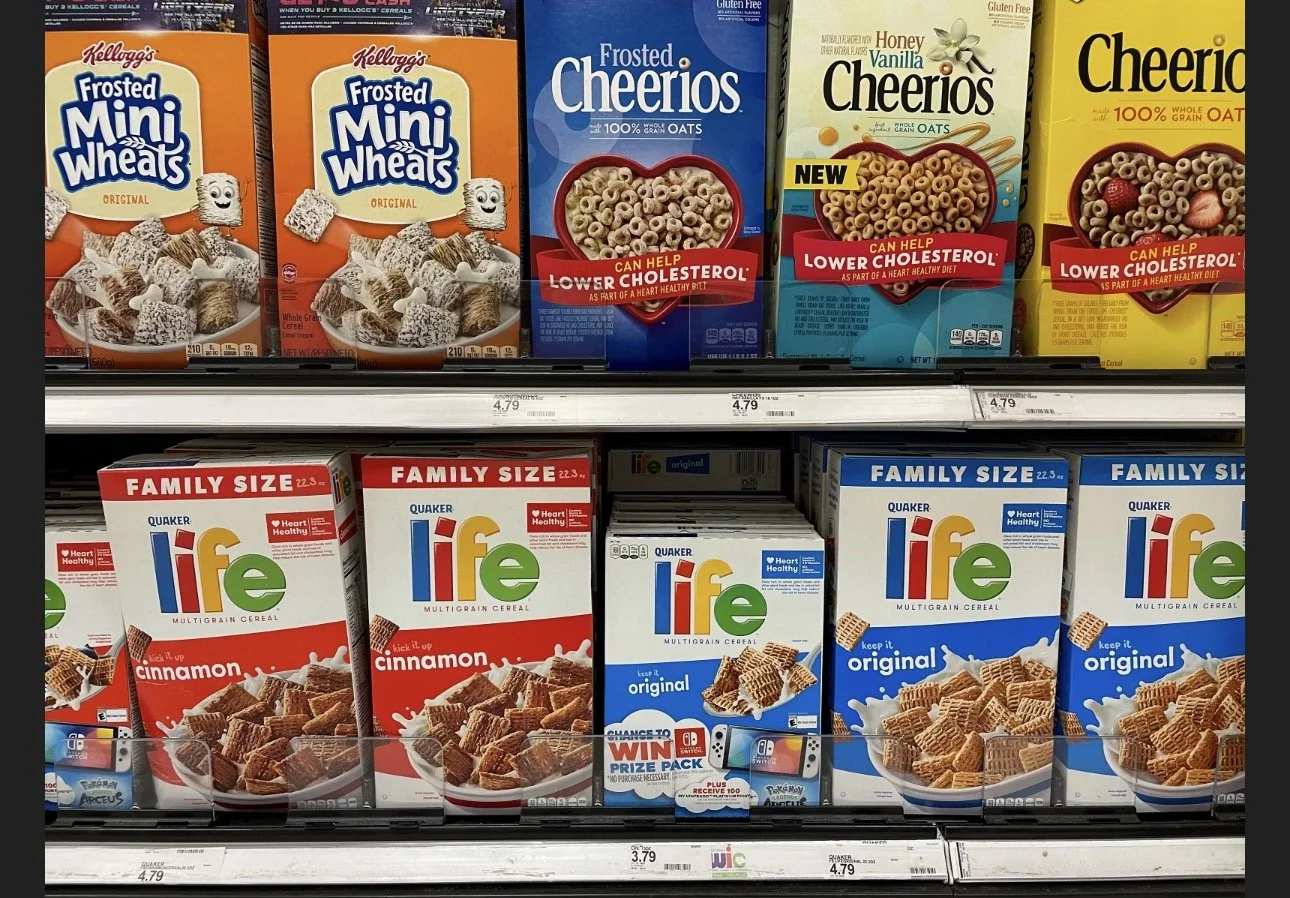
Choosing between similar food products can feel overwhelming. Grocery shelves often offer multiple versions of the same item, each with different packaging, ingredients, nutrition information, marketing claims, and prices.
Learning how to compare food products isn't about finding the one "perfect" option. It's about understanding the information available so you can make informed decisions based on your needs, preferences, and circumstances.

Why Product Comparisons Matter
Comparing food products helps you move beyond first impressions.
Two products may appear nearly identical but differ in serving size, ingredients, nutrient content, price, or intended use. Looking at multiple sources of information provides a more complete understanding than relying on a single number, ingredient, or marketing claim.
Food literacy helps you recognize these differences and understand what they may mean within the context of your comparison.
What Should You Compare?
No single piece of information tells the whole story. When comparing similar products, consider looking at several sources of information together.
Nutrition Facts Label
Compare serving size, calories, nutrients, and Percent Daily Values to understand how the products differ nutritionally.
Ingredient List
Review the ingredients to understand what each product contains and how the ingredients compare.
Marketing Claims
Consider what information the package is highlighting and how those claims fit with the rest of the product information.
Intended Use
Think about how you'll actually use the product. The best choice for one situation may not be the best choice for another.
Price and Value
Compare more than just the shelf price. Package size, number of servings, and unit price can all provide additional context when evaluating value..
Looking at the Whole Picture
Every source of information on a package contributes something different.
The Nutrition Facts label explains nutrition information.
The ingredient list shows what ingredients were used.
Marketing claims highlight specific product characteristics.
Price and package size help provide context for value.
Looking at these pieces together creates a more complete understanding than focusing on any one source alone.
There Isn't Always One "Best" Choice
There isn't one universal way to compare every food product.
The information that matters may change depending on what you're comparing and why you're making the comparison.
Food literacy isn't about finding the "perfect" product. It's about understanding the information available, asking thoughtful questions, and making informed decisions based on your own needs, preferences, and circumstances.
As your food literacy grows, comparing products becomes less about searching for one "right" answer and more about understanding the choices available to you.
Continue Your Food Literacy Journey
Explore more topics in our Food Literacy Library:
Want to Go Deeper?
Continue building your food literacy with additional learning resources, activities, and videos in the Nutrition Clarity Resource Hub.