Understanding Ingredient Lists
Learning How to Read and Understand Ingredient Lists
Ingredient lists appear on most packaged foods and provide important information about what a product contains. Yet for many people, ingredient lists can feel confusing, especially when they include unfamiliar names or long lists of ingredients.
Learning how to read an ingredient list isn't about memorizing every ingredient or making quick judgments about a product. It's about understanding how ingredient lists are organized, what information they provide, and how they fit into the broader picture of understanding food.
Developing this skill is an important part of building food literacy and becoming more comfortable interpreting food packaging.

Why Ingredient Lists Matter
Ingredient lists help identify what ingredients were used to make a food product.
While the Nutrition Facts label provides information about nutrients, the ingredient list identifies the ingredients themselves. Together, these two sources of information provide different perspectives that can help you better understand a product.
Ingredient lists can also help when comparing similar products, learning about unfamiliar ingredients, and understanding how foods differ from one another.
How Ingredient Lists Work
Ingredient lists follow a standardized format that becomes easier to understand once you know what to look for.
Ingredients Are Listed by Weight
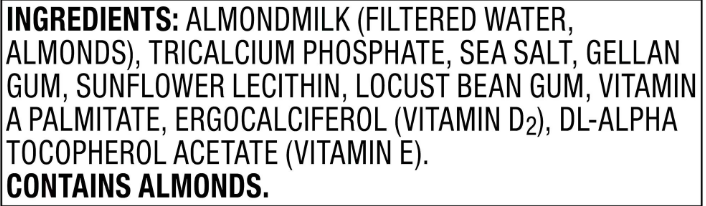
Ingredients are generally listed in descending order by weight. This means the ingredients used in the greatest amount typically appear first, while those used in smaller amounts appear closer to the end of the list.
This doesn't tell you the exact amount of each ingredient, but it does provide helpful context about how a product is made.
Ingredient Names
Some ingredient names are familiar, while others may sound technical or scientific.
Many ingredients have standardized names that describe their composition or purpose in a food. An unfamiliar name doesn't automatically tell you whether an ingredient is "good" or "bad"—it simply means there may be more to learn about it.
Ingredient Lists Can Vary
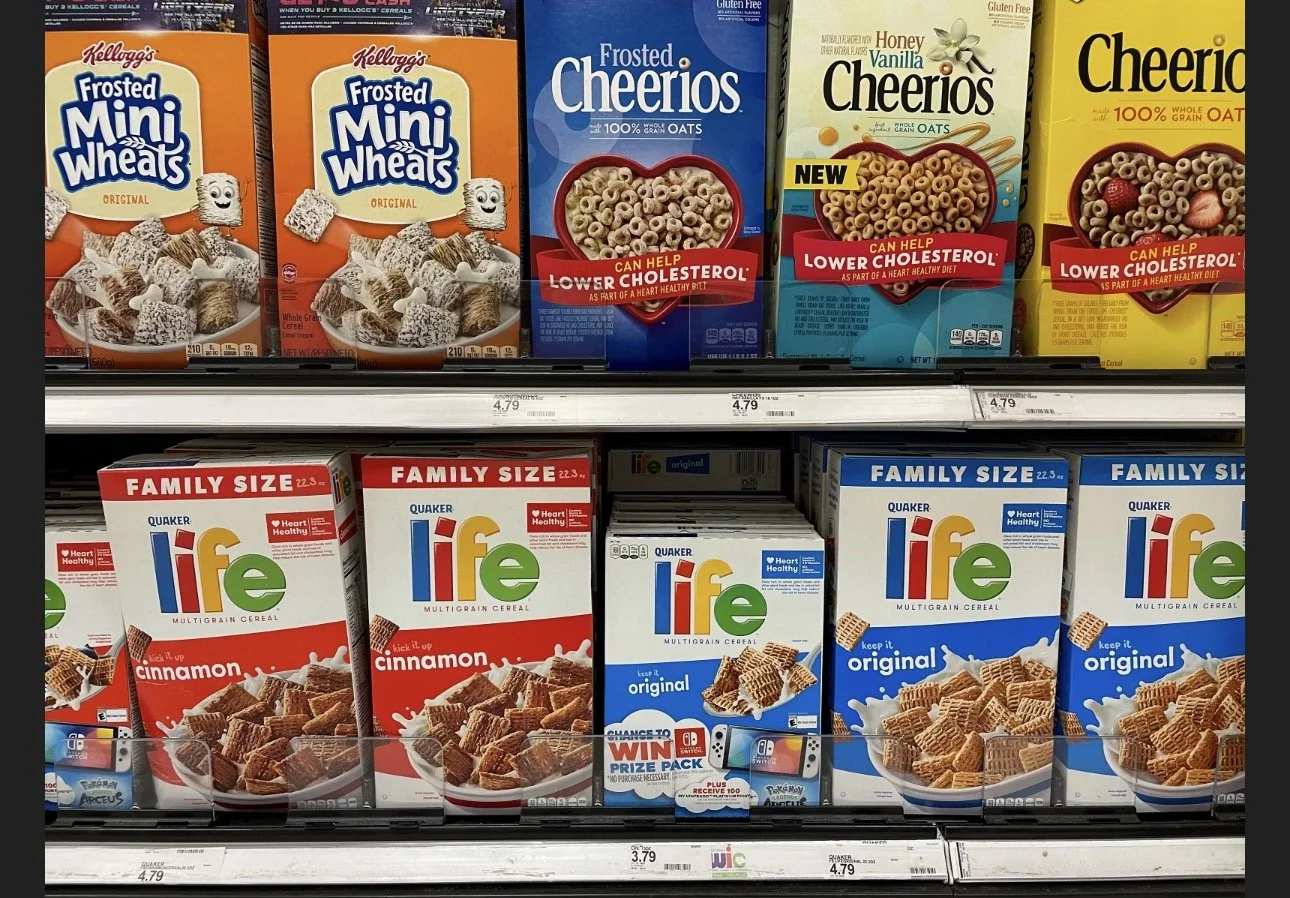
Even similar products may have different ingredient lists.
Differences in recipes, manufacturing processes, product formulations, and intended uses can all influence the ingredients included in a food.
Learning to compare ingredient lists helps build a better understanding of how products differ.
Understanding Ingredient Lists in Context
Ingredient lists are designed to work alongside other information found on food packaging.
To develop a more complete understanding of a product, consider reading the ingredient list together with:
The Nutrition Facts label
Front-of-package marketing claims
Serving size
The type and intended use of the product
Each provides different information, and together they create a more complete picture than any single source alone.
Understanding ingredient lists isn't about finding one "right" or "wrong" ingredient. It's about learning how to interpret one important piece of the information available to you.
Looking Beyond Individual Ingredients
It's easy to focus on a single ingredient, especially when it's unfamiliar or frequently discussed online.
However, ingredient lists are only one part of understanding a food.
A more complete picture comes from considering multiple sources of information together, including:
The Nutrition Facts label
The ingredient list
The overall type of food
The intended use of the product
Rather than judging a product based on one ingredient alone, food literacy encourages looking at the bigger picture.
An ingredient list is a source of information—not a scorecard.

Continue Your Food Literacy Journey
Explore more topics in our Food Literacy Library:
Want to Go Deeper?
Continue building your food literacy with additional learning resources, activities, and videos in the Nutrition Clarity Resource Hub.