Making Informed Food Decisions
Applying Food Literacy in Everyday Life
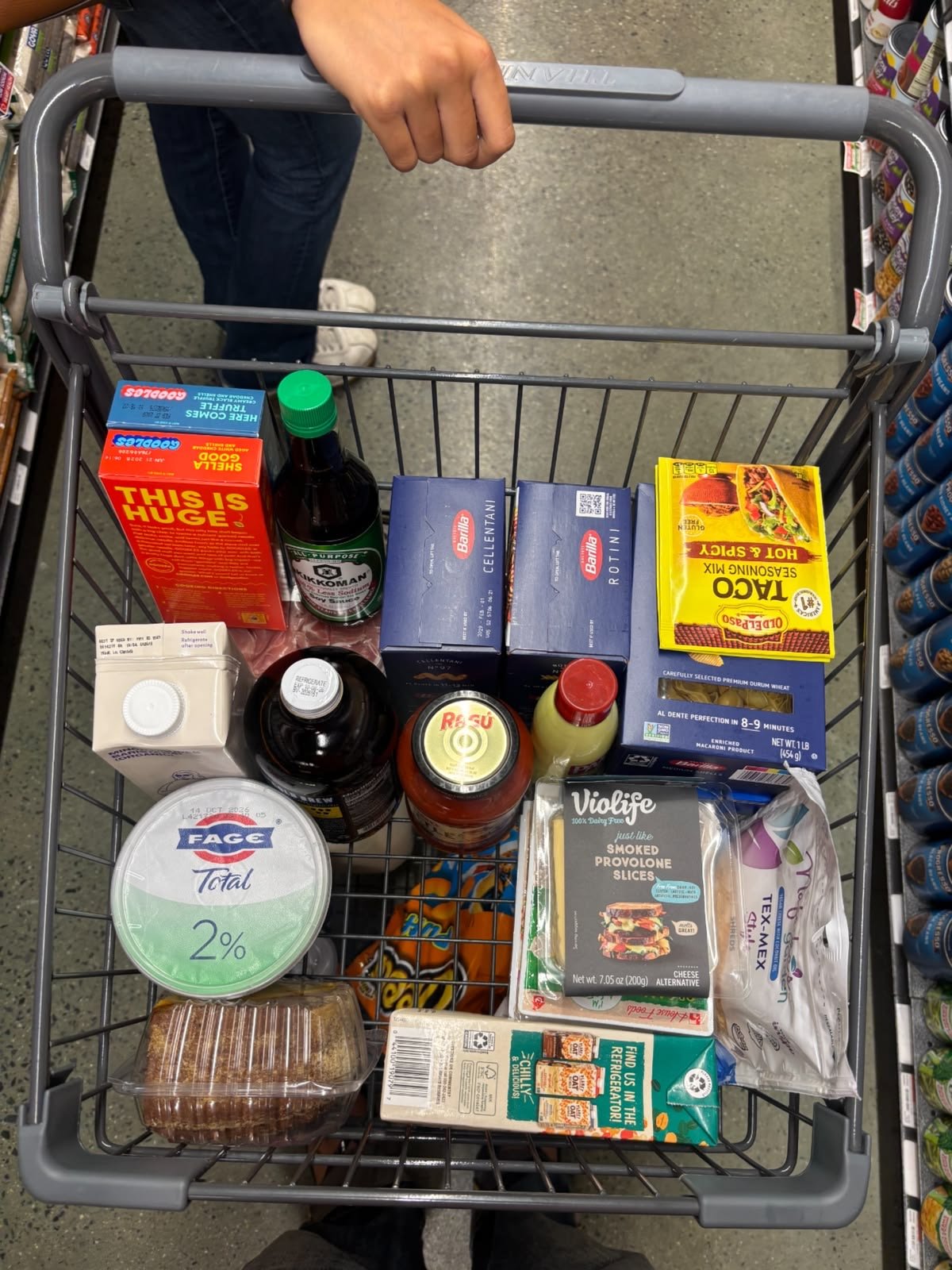
Every day, we make decisions about food.
Some are simple, while others involve balancing nutrition information, ingredients, cost, convenience, preferences, availability, time, culture, and personal priorities.
Food literacy isn't about finding one perfect answer for every situation. It's about developing the knowledge and confidence to thoughtfully consider the information available and make decisions that fit your own circumstances.

Food Decisions Involve More Than One Factor
Food decisions are rarely based on a single piece of information.
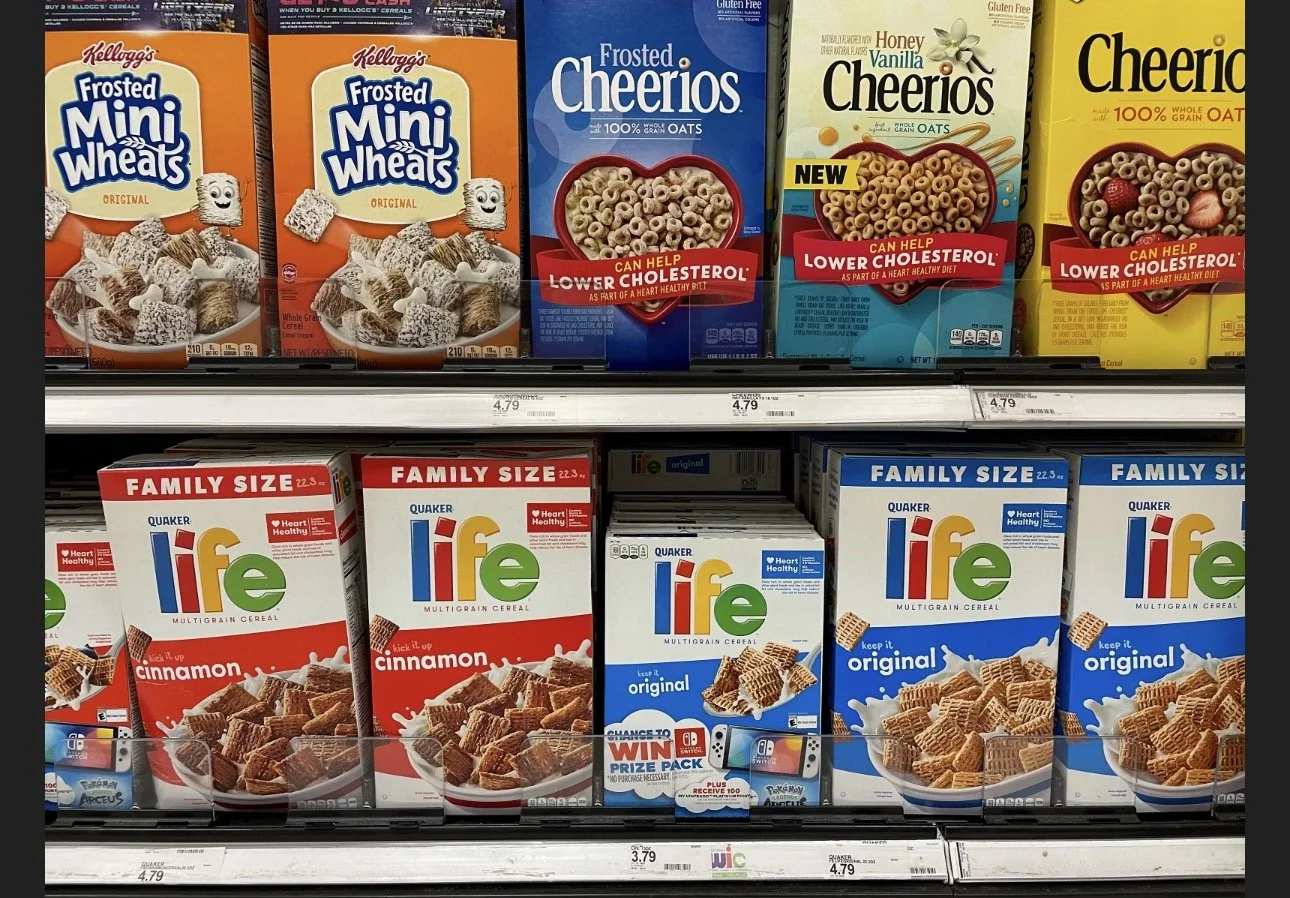
A Nutrition Facts label, ingredient list, marketing claim, price, or recommendation may each provide valuable information, but none tells the complete story on its own.
Making informed food decisions means bringing multiple pieces of information together and considering them within the context of your individual needs and circumstances.
Personal Priorities Matter
The factors that influence one person's decision may be different from another's.
For example, people may consider:
Personal preferences
Budget
Time
Convenience
Household needs
Cultural traditions
Availability
Cooking skills
Lifestyle
Recognizing these priorities helps place food decisions within the context of everyday life.

Weighing Information Thoughtfully
Food literacy encourages thoughtful decision-making rather than relying on a single number, ingredient, or claim.
As you evaluate food information, consider questions such as:
What information is available?
What pieces of information work together?
What matters most in this situation?
What questions do I still have?
Thoughtfully weighing information helps create a more complete understanding before making a decision.
Confidence Grows Through Practice
Food literacy is a skill that develops over time.
Each time you read a Nutrition Facts label, compare products, interpret an ingredient list, or evaluate a marketing claim, you're strengthening your ability to understand food information.
Confidence doesn't come from knowing everything. It comes from becoming more comfortable asking questions, interpreting information, and applying what you've learned in everyday situations.

Continue Your Food Literacy Journey
Explore more topics in our Food Literacy Library:
Want to Go Deeper?
Continue building your food literacy with additional learning resources, activities, and videos in the Nutrition Clarity Resource Hub.