Understanding Food Marketing Claims
Learning How to Interpret Front-of-Package Messaging
Food packaging communicates information in many different ways.
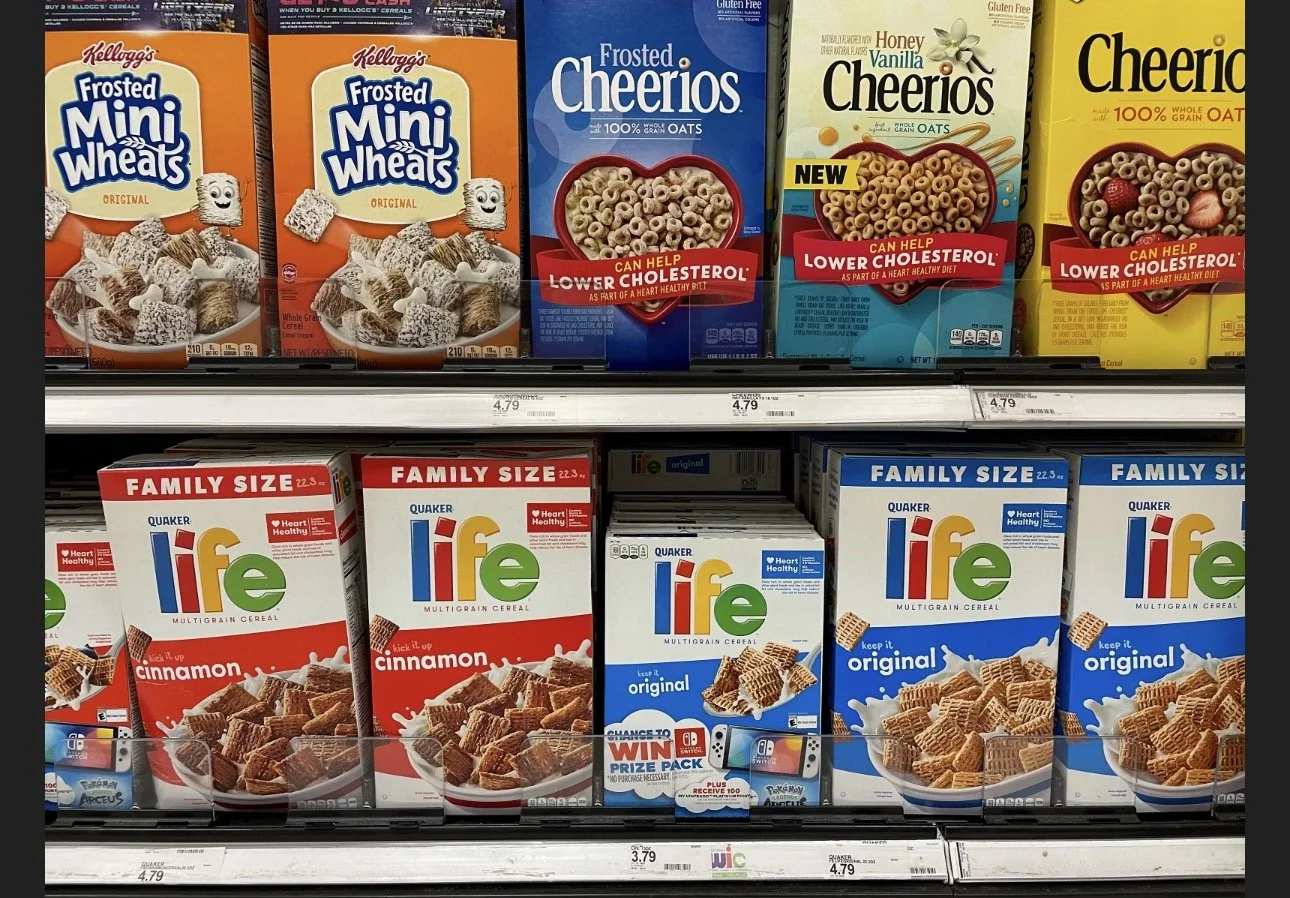
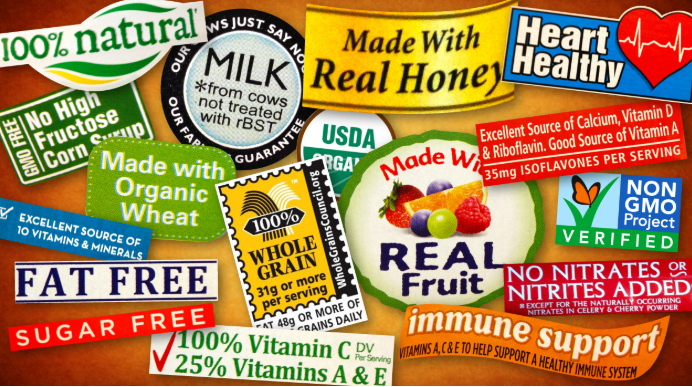
Words like "high in fiber," "made with whole grains," "organic," or "no added sugar" often appear prominently on the front of a package. Colors, symbols, certifications, and images can also influence how we perceive a product before we ever turn it over.
Learning to understand food marketing claims isn't about ignoring them or assuming they're misleading. It's about recognizing what they're communicating, understanding what they don't communicate, and knowing how to use them alongside other sources of information.
Why Food Marketing Claims Matter
Food marketing claims are designed to highlight specific characteristics of a product.
Some communicate information about nutrients, others describe ingredients or production methods, while some help communicate a brand's identity or product qualities.
These claims can provide useful information, but they represent only one part of the overall picture.
Understanding food means looking beyond a single claim and considering multiple sources of information together.
Types of Food Marketing Claims
Food packaging includes many different kinds of claims, each serving a different purpose.
Nutrition Content Claims
These describe the amount of a nutrient in a product.
Examples include:
High in fiber
Low sodium
Reduced fat
Good source of calcium
Ingredient and Product Claims
These describe ingredients, production methods, or product characteristics.
Examples include:
Made with whole grains
Organic
Gluten free
No artificial colors
Brand and Lifestyle Claims
Some phrases are intended to communicate a product's style, quality, tradition, or brand identity.
Examples include:
Farm fresh
Simply made
Crafted with care
Wholesome
Looking Beyond the Front of the Package
The front of a package is designed to communicate information quickly, but it isn't intended to tell the complete story.
A marketing claim may highlight one characteristic of a product, while other important information is found elsewhere on the package.
To develop a more complete understanding, consider looking at:
The Nutrition Facts label
The ingredient list
Serving size
Other product information
Looking at these pieces together provides more context than relying on a single claim alone.
Understanding Marketing in Context
Food marketing claims are one source of information—not the whole story.
Rather than assuming a claim tells you everything about a product, consider how it fits alongside the Nutrition Facts label, ingredient list, serving size, and other information on the package.
Some claims are defined by regulations and must meet specific criteria before they can be used, while others are marketing phrases that communicate a product's identity or characteristics.
Food literacy isn't about accepting or dismissing a claim. It's about understanding what the claim communicates, recognizing its place within the bigger picture, and using multiple sources of information to better understand a food product.

Continue Your Food Literacy Journey
Explore more topics in our Food Literacy Library:
Want to Go Deeper?
Continue building your food literacy with additional learning resources, activities, and videos in the Nutrition Clarity Resource Hub.