Understanding Food Processing
Learning How Foods Are Prepared Before They Reach Your Plate
Most foods undergo some form of processing before they reach our homes.
Processing can be as simple as washing and freezing vegetables or as complex as producing packaged foods with multiple ingredients. Understanding food processing helps explain how foods are prepared, preserved, packaged, and made available to consumers.
Food processing is a normal part of today's food system. Learning how different processing methods are used can help build a more complete understanding of the foods we eat.
What Is Food Processing?
Food processing refers to the methods used to prepare foods before they are sold or consumed.
These methods may include cleaning, cutting, cooking, freezing, drying, fermenting, pasteurizing, packaging, and many other techniques.
Some foods receive very little processing, while others go through multiple steps before reaching grocery stores.
Why Are Foods Processed?
Foods are processed for many different reasons.
Processing can help:
Improve food safety
Extend shelf life
Preserve freshness
Improve convenience
Support transportation and storage
Maintain product consistency
Prepare foods for cooking or consumption
Different foods require different processing methods depending on their characteristics and intended use.
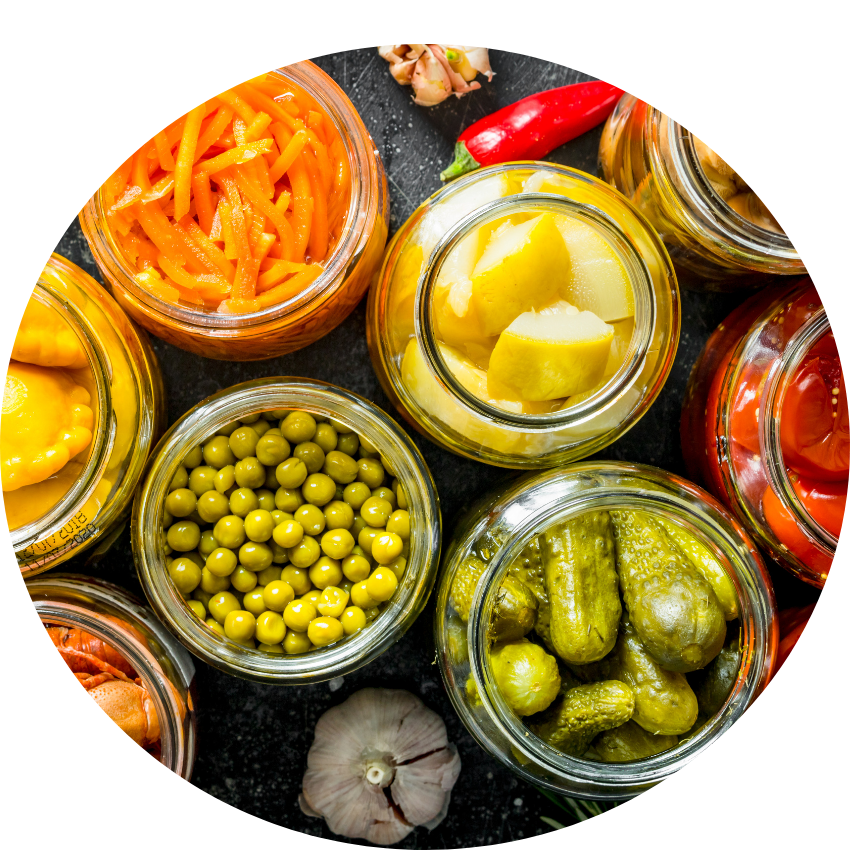
Food Processing Looks Different for Different Foods
Not all foods are processed in the same way.
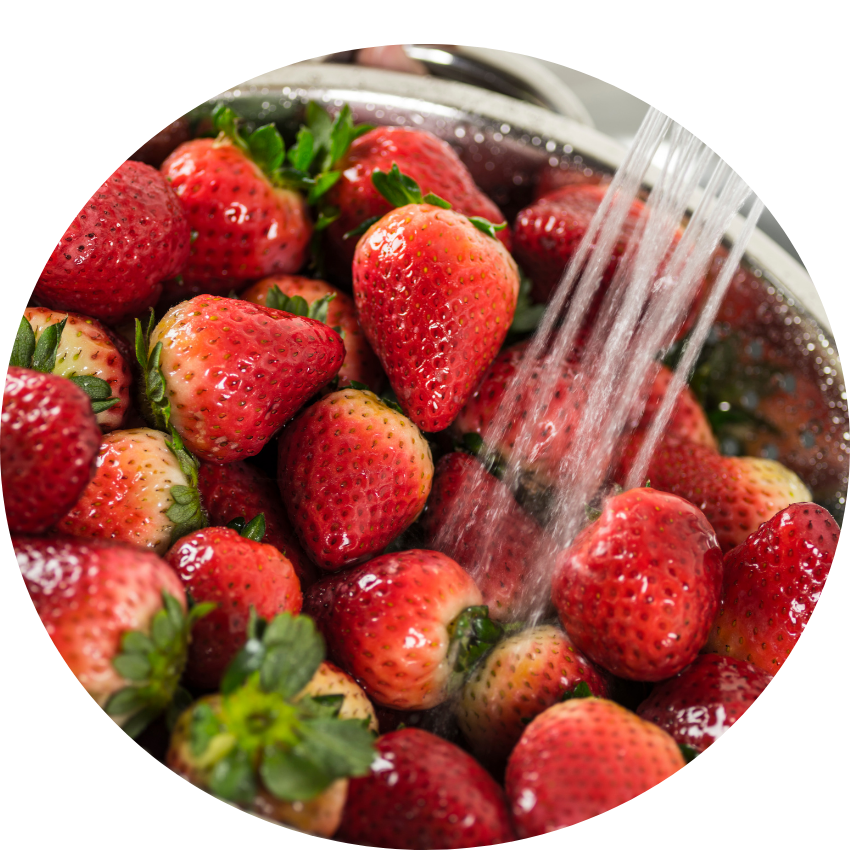
For example, fresh produce may simply be washed and packaged, while frozen vegetables are washed, prepared, and frozen to help maintain quality during storage.
Other foods may involve additional processing steps depending on how the final product is made.
Understanding that food processing exists on a spectrum helps provide context when learning about different foods.
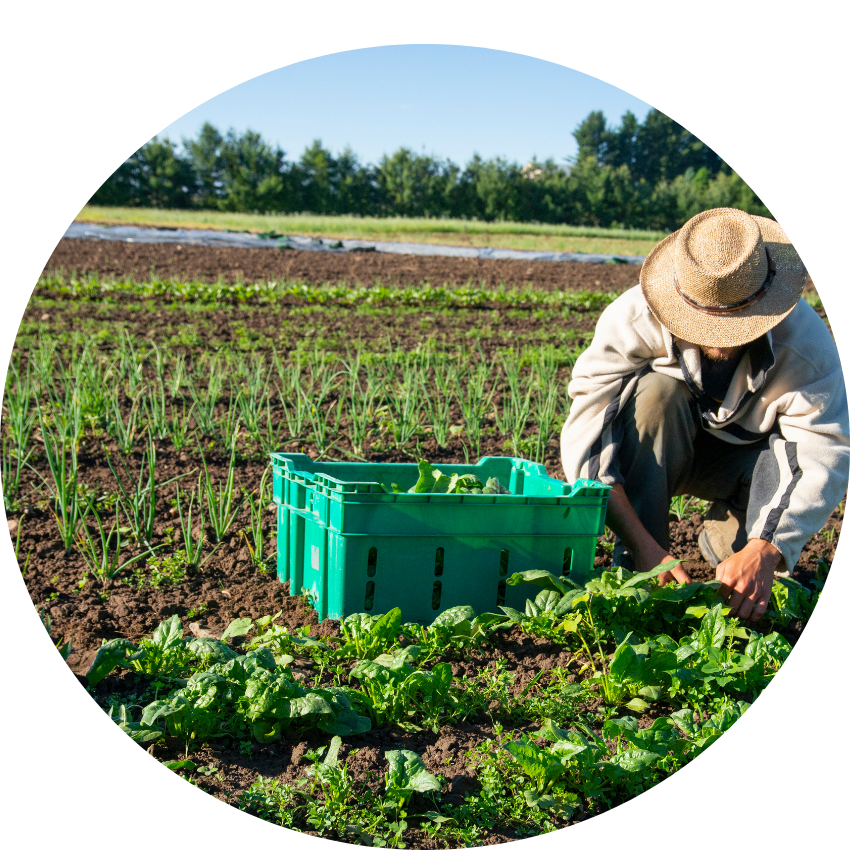
Food Processing in Context
Food processing is one part of the larger food system.
It works alongside food production, packaging, transportation, storage, and grocery distribution to help make food available to consumers.
Understanding food processing helps explain why foods may differ in appearance, shelf life, convenience, and preparation.
Rather than viewing processing as a single concept, food literacy encourages understanding the different purposes food processing serves within the food system.
Continue Your Food Literacy Journey
Explore more topics in our Food Literacy Library:
Want to Go Deeper?
Continue building your food literacy with additional learning resources, activities, and videos in the Nutrition Clarity Resource Hub.